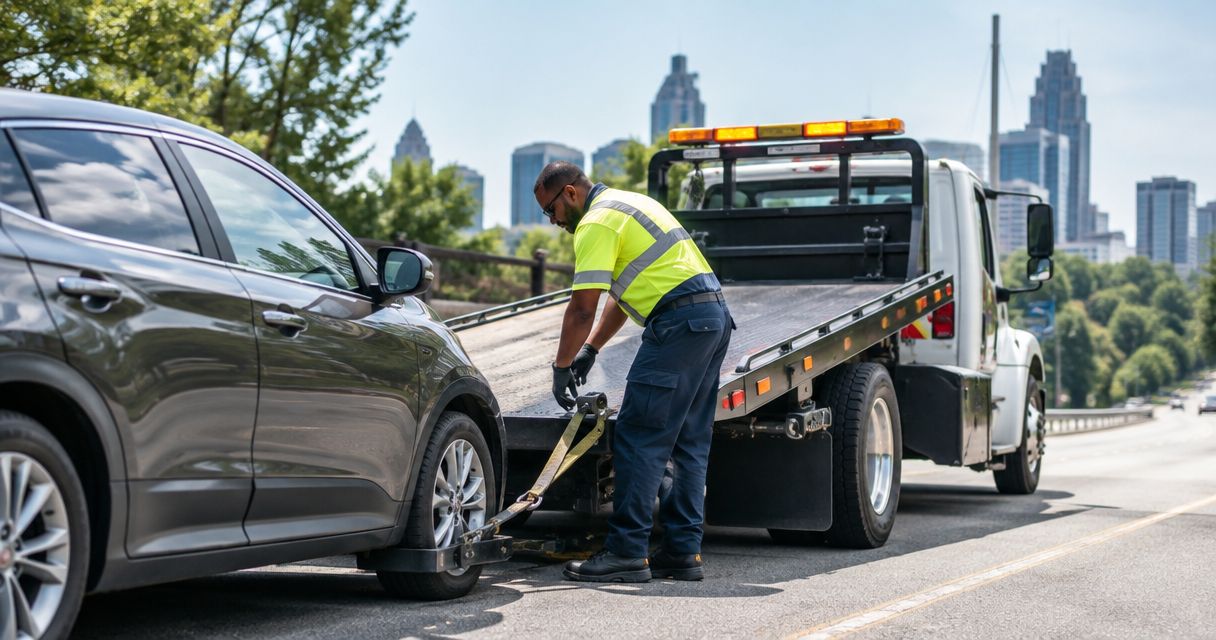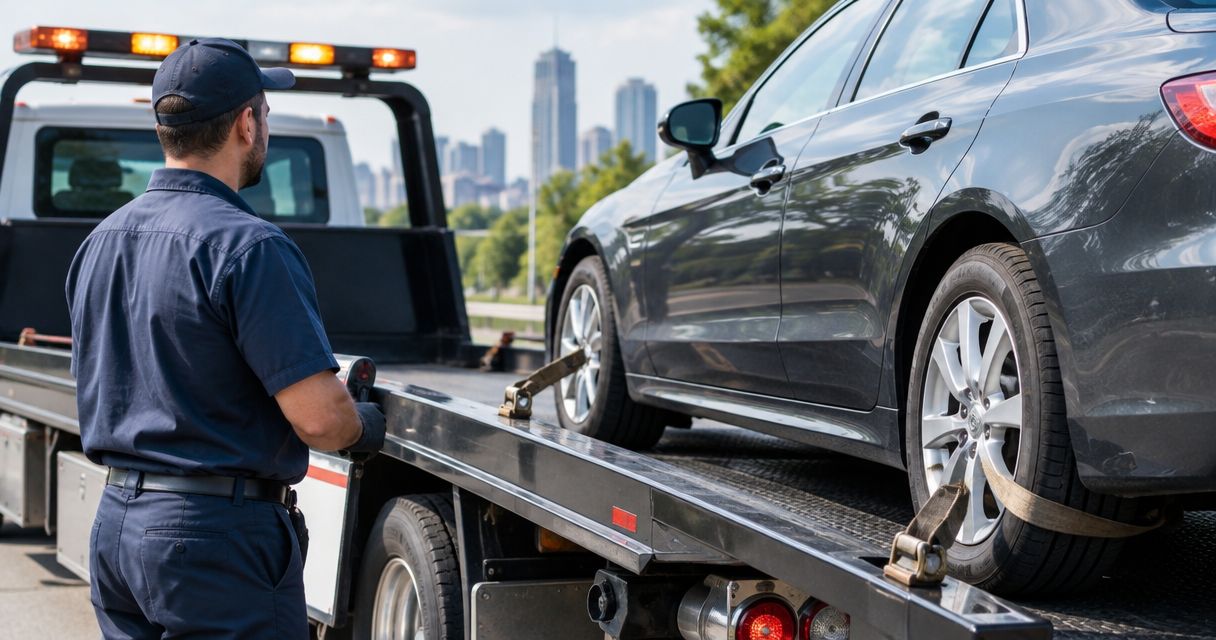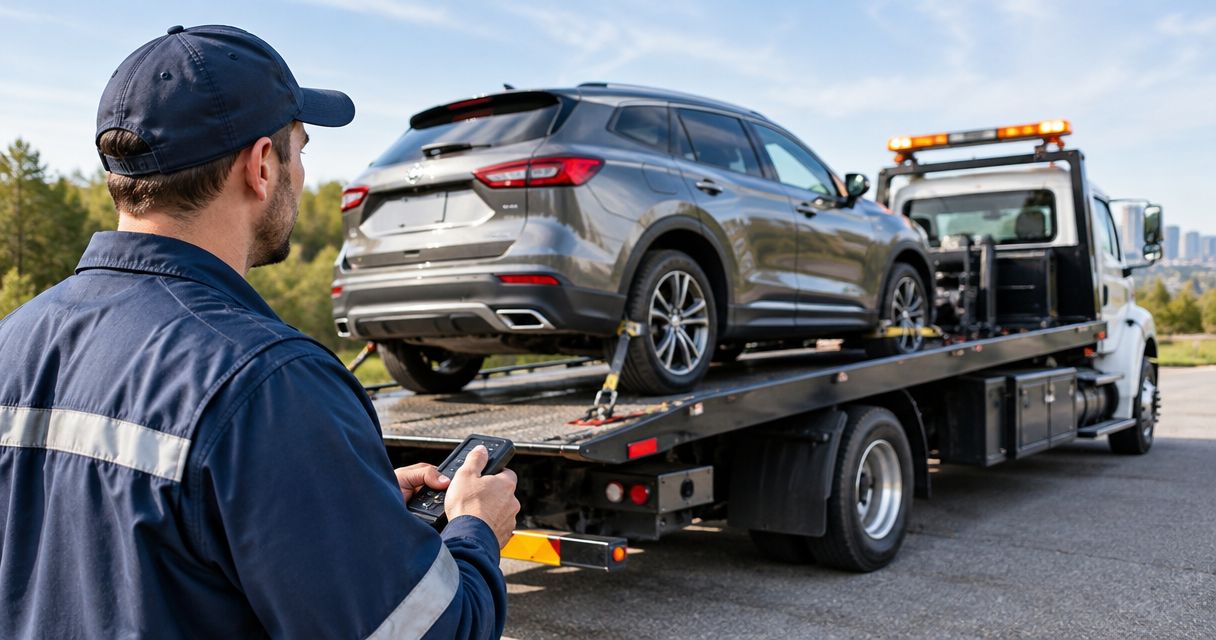

Stranded in Atlanta? Choose Atlroadside for 24/7 local roadside assistance and heavy-duty towing; choose Drive Roadside if your existing coverage directs you there and the assigned provider has accepted your exact job. Match the help to your vehicle, location, and problem—not the name on the search result.
- Atl roadside vs drive roadside: choose by accepted dispatch, vehicle capability, and coverage—not search position.
- Atlroadside provides Atlanta roadside assistance, fuel delivery, and heavy-duty towing around the clock.
- Choose Drive Roadside when your existing coverage directs you there and your exact job is accepted.
- Keep an accepted dispatch unless you cancel it before arranging another provider.
Need help now? Contact Atlroadside and give your location, vehicle type, and breakdown. Ask for confirmation that the requested service fits your situation before authorizing dispatch.
Why this matters
A dead battery and a disabled semi-truck need different help. A service name alone does not tell you whether the assigned truck can handle your vehicle.
For your 2026 roadside decision, settle the immediate questions first: who has accepted the job, what service is coming, and how you will receive updates. If you face an immediate threat from traffic, fire, or injury, call 911 before arranging roadside service.
At a glance
| Dimension | Atlroadside | Drive Roadside |
|---|---|---|
| Best for | Atlanta drivers and commercial fleets needing local roadside help | Drivers whose existing coverage directs them there, after the job is accepted |
| Atlanta service scope | Atlanta metro roadside assistance and towing | Confirm service at your exact location |
| Standout capability | Heavy-duty towing and recovery alongside everyday roadside help | Confirm the assigned provider's capability for your vehicle |
| Everyday breakdowns | Jump starts, lockouts, tire changes, and fuel delivery | Confirm the requested service before dispatch |
| Existing dispatch | Use when arranging a new local service request | Keep an accepted dispatch when it meets your needs |
| Coverage and billing | Confirm payment terms before authorizing service | Confirm whether your existing coverage applies to the exact job |
| Arrival decision | Request a current dispatch update; no fixed arrival promise | Request a current dispatch update; do not assume an arrival time |
Best for is a job-fit decision. Your location and vehicle come first. An accepted, suitable dispatch matters more than starting another request with a different name.
Atlroadside fits a new Atlanta roadside request
Atlroadside is an Atlanta roadside assistance provider for drivers and commercial fleets that need 24/7 help. Its stated services include mobile towing, jump starts, lockout service, tire changes, fuel delivery, and heavy-duty towing and recovery.
That makes the service scope clear when you are starting a new request. Tell dispatch what happened rather than asking only for roadside assistance.
- Dead battery: request a jump start and explain whether the engine cranks.
- Locked out: identify the vehicle and explain where the keys are.
- Flat tire: describe the damage and whether you have a usable spare.
- Out of fuel: identify the required fuel type before delivery.
- Disabled vehicle: explain why you need towing and where the vehicle must go.
The limit is equally important: a listed service does not settle every detail of your job. Confirm vehicle suitability, access, and the requested work before dispatch. Do not treat a jump start as a promise to repair the underlying fault.
Heavy-duty work needs a capability match, not a car-service booking
Choose a provider that accepts the heavy-duty job explicitly. A semi-truck, loaded commercial vehicle, or recovery situation needs a specific conversation—not a generic car-towing request.
The local service offering includes heavy-duty towing and recovery. Describe the rig, trailer, load status, and position. Explain whether it is upright on pavement, stuck off the road, or obstructing traffic.
For Drive Roadside, ask the same direct question: has the assigned provider accepted this vehicle and this recovery situation? Do not approve a dispatch that leaves that question unresolved.
For commercial work in 2026, distinguish the immediate service from the larger repair. Emergency diesel delivery, a tire problem, and heavy-duty towing are different requests. Describe the symptom; let dispatch confirm the appropriate response.
Drive Roadside is the practical choice when dispatch is already accepted
Choose Drive Roadside if your existing coverage directs you there and a suitable provider has already accepted your request. That is a real reason to keep the booking rather than start again.
Before switching, confirm:
- The assigned provider knows your exact location.
- The provider has accepted your vehicle type and requested service.
- You have a way to receive dispatch updates.
- You understand any cancellation terms.
An accepted booking is useful only when it matches the job. If the request was entered as a passenger-car tow but you need semi-truck recovery, correct it immediately.
The downside of changing providers mid-request is coordination. You can end up with competing bookings unless you cancel one clearly. Keep one active dispatch, not two.
Existing coverage can favor Drive Roadside—confirm authorization first
If your roadside plan instructs you to use Drive Roadside, follow its authorization process before arranging independent service. Confirm whether it covers the specific breakdown, vehicle, and towing destination.
This is a conditional advantage, not a claim that every request is covered. A plan name does not answer whether fuel, recovery, commercial vehicles, or a particular tow qualifies.
If you arrange local help separately, ask your plan administrator about reimbursement before assuming it applies. Keep the service documentation your administrator requests. Choose the route that gives you an accepted job and clear payment responsibility.
Neither name settles arrival time
Use the current dispatch update, not an assumed response time. Roadside service available 24/7 does not mean a fixed arrival interval for every request.
For either option, ask whether a provider has accepted the job and how you will receive updates. Share your direction of travel, nearest exit or cross street, and a location pin when possible.
On an Atlanta interstate such as I-285, the road name alone is not enough. Your direction and position matter. Do not enter traffic to retrieve a mile marker or improve a location description.
Billing in 2026: settle responsibility before dispatch
Ask both services how your request will be billed before authorizing it. Confirm whether you are paying for an individual job, using existing coverage, or seeking reimbursement afterward.
The tradeoff is control versus coverage rules. A separately arranged service lets you make a direct request; existing coverage requires you to follow the plan's authorization process. Neither route removes the need to understand the work being approved.
Ask these questions:
- What service does this authorization include?
- Who is responsible for payment?
- Does the requested towing destination change the terms?
- What happens if the vehicle needs recovery rather than a straightforward tow?
Do not approve an unclear scope. A fuel-delivery request is not automatically a towing authorization.
Give dispatch the details that change the job
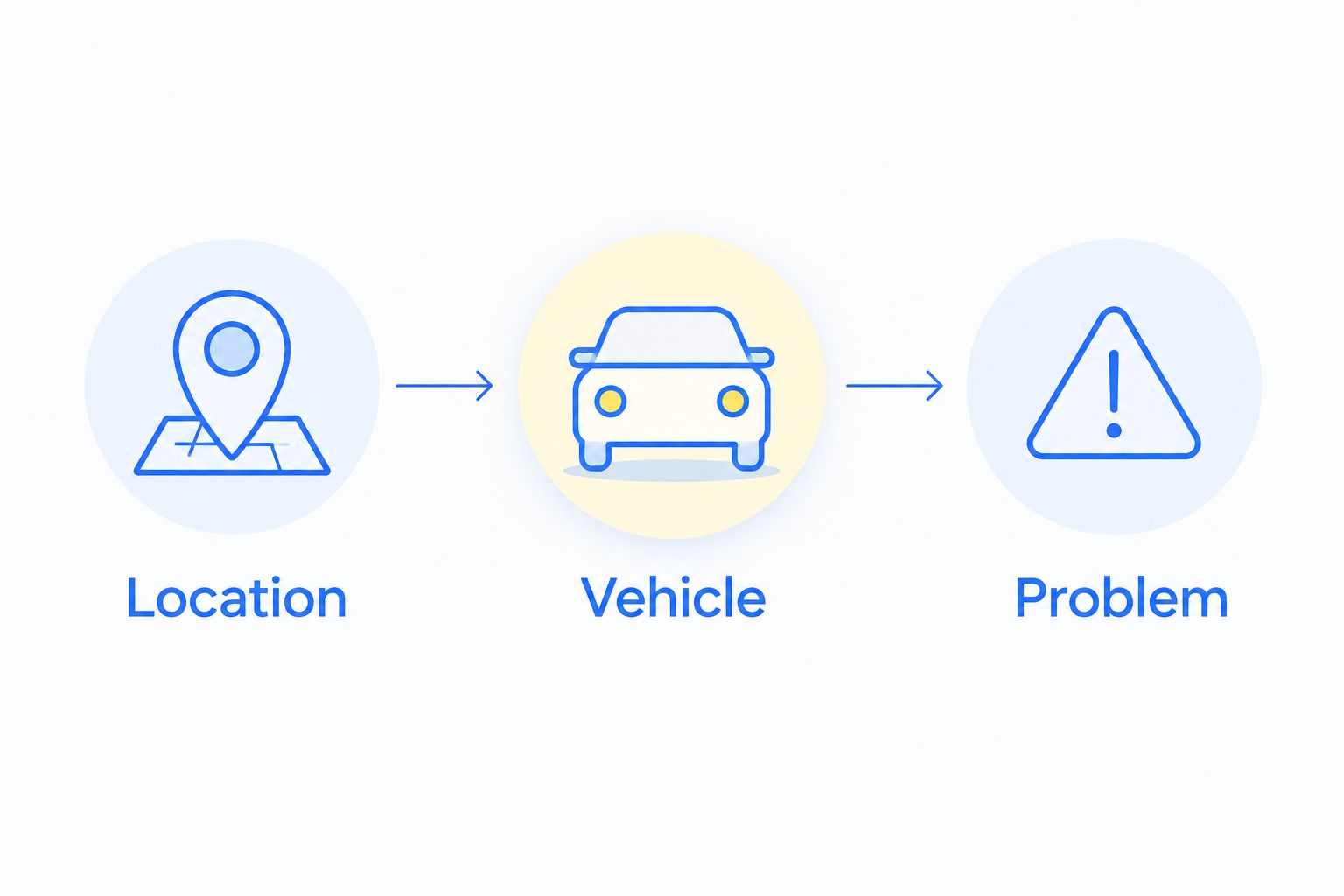
Use this short checklist for either provider:
- Location: road, direction, nearest exit or cross street, and safe location details.
- Vehicle: car, pickup, commercial vehicle, or semi-truck; include trailer information when relevant.
- Problem: out of fuel, no start, lockout, flat tire, breakdown, or recovery.
Say whether the vehicle blocks a lane or sits in a difficult-access position. Those details belong at the start of the call.
For a diesel request, state diesel explicitly. For a tire request, identify whether you need help with a passenger vehicle or a commercial rig. Do not leave dispatch to infer the job from a vague description.
Request Atlanta roadside help
Describe your location, vehicle, and problem. Confirm the requested service before dispatch.
Final verdict for 2026
Choose Atlroadside if you need a new Atlanta service request
Winner for this profile: Atlroadside. You are an Atlanta driver or fleet operator arranging 24/7 roadside assistance, fuel delivery, towing, or heavy-duty recovery. Its stated service scope matches those needs; confirm the details of your particular job when you call.
Choose Drive Roadside if your coverage and dispatch are already aligned
Winner for this profile: Drive Roadside. Your existing coverage directs you there, the appropriate provider has accepted the exact job, and you have a clear update channel. Keep that booking unless you have a concrete reason to cancel it.
| Dimension | Winner |
|---|---|
| New Atlanta roadside request | Local service with a stated Atlanta scope |
| Heavy-duty towing or recovery | Provider that explicitly accepts the heavy-duty job |
| Everyday breakdowns | Provider that confirms the required service |
| Suitable dispatch already accepted | Keep the existing booking |
| Existing coverage authorization | Follow the plan's approved route |
| Arrival confidence | Neither name alone; use current dispatch information |
| Billing clarity | Neither name alone; confirm scope and responsibility |
FAQ
Is ATL roadside better than Drive Roadside in 2026?
Choose the local Atlanta service for a new request that matches its stated roadside and towing capabilities. Choose Drive Roadside when your existing coverage directs you there and a suitable provider has accepted your exact job.
Who should I call for a semi-truck breakdown in Atlanta?
Call a provider that explicitly accepts heavy-duty towing or the specific roadside service your truck needs. Give dispatch the truck type, trailer details, location, and problem before authorizing service.
Can I get emergency diesel delivery in Atlanta?
Emergency diesel delivery is included in the brand's stated service offering for semi-trucks and commercial vehicles across the Atlanta metro. Tell dispatch that you need diesel and identify the vehicle before delivery is arranged.
Should I switch if Drive Roadside already assigned a provider?
Keep an accepted dispatch if the provider can handle your vehicle and requested service. If you switch, cancel the original request clearly before arranging another dispatch.
Does 24/7 roadside assistance mean an exact arrival time?
No. Around-the-clock availability does not establish a fixed arrival time for your location. Ask for the current dispatch status and update method.
Will my roadside plan pay for a separately arranged tow?
Confirm authorization and reimbursement rules with your plan administrator before assuming a separately arranged tow is covered. Ask about the vehicle, requested service, and towing destination.
What should I tell roadside dispatch first?
Give your location, vehicle type, and problem first. Add your direction of travel, nearest exit or cross street, and whether the vehicle obstructs traffic.
One last thing
Before ending the call, have dispatch repeat the requested service back to you. Diesel delivery, a jump start, and a heavy-duty tow are not interchangeable bookings. A clear repeat-back catches a misunderstanding before the wrong help is sent.