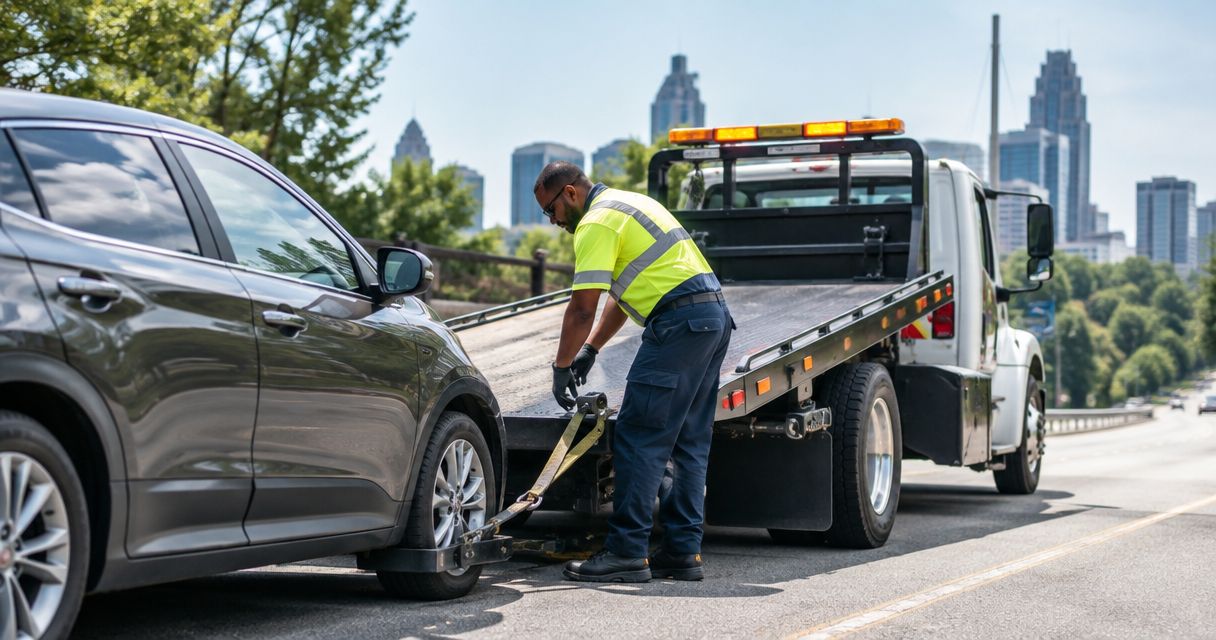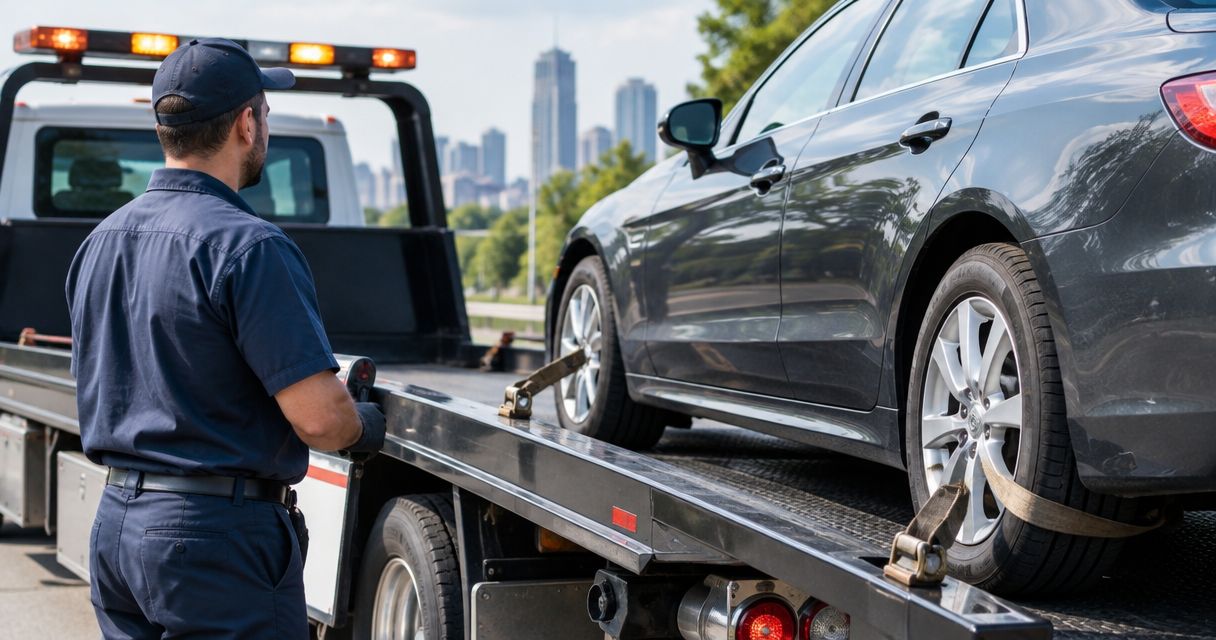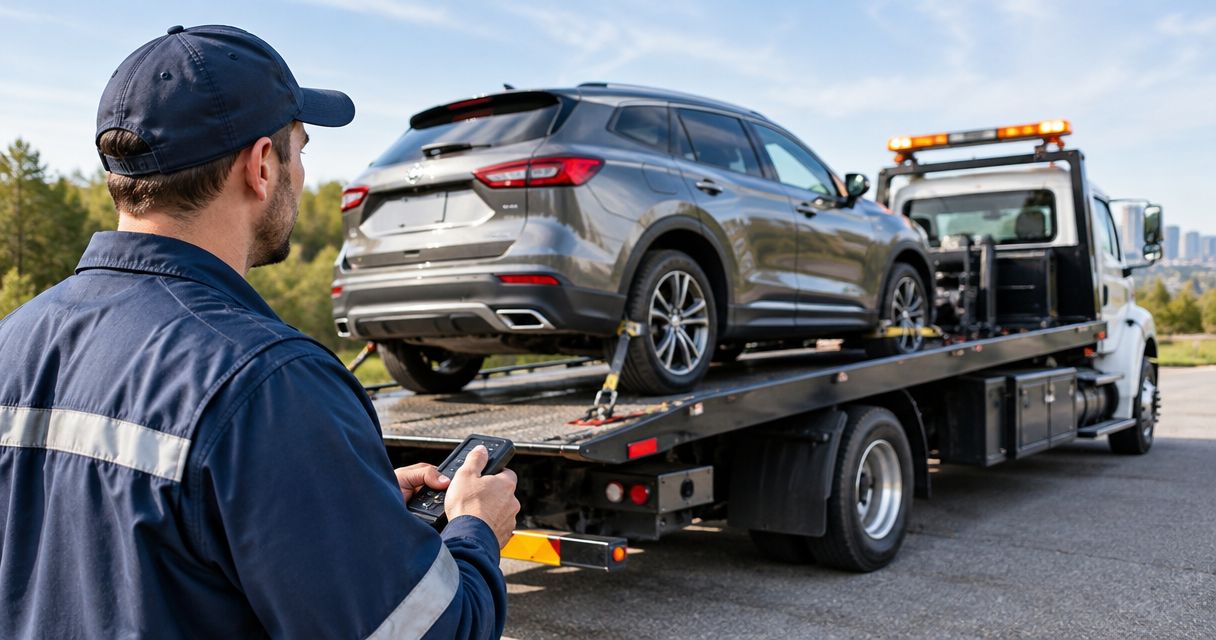
Stranded in Atlanta? Choose Atlroadside for 24/7 roadside assistance, fuel delivery, or heavy-duty towing across the metro; choose Georgia Roadside if its dispatcher confirms the right service and an earlier arrival for your location. Start with Atlroadside, then compare the actual dispatch answers—not the company names.
- For atl roadside vs georgia roadside, choose the dispatcher who confirms your vehicle, required service, location, and arrival estimate.
- Atlroadside provides 24/7 roadside assistance, fuel delivery, and heavy-duty towing across the Atlanta metro.
- Choose Georgia Roadside when its dispatcher confirms suitable help with an earlier arrival estimate.
- For a stranded semi-truck, confirm heavy-duty capability before accepting a dispatch.
Why this matters
A tow truck is not always the answer. An empty tank needs the correct fuel. A dead battery needs assessment and a jump start. A disabled rig needs help suited to a commercial vehicle.
Atlroadside provides 24/7 roadside assistance for drivers and commercial fleets across the Atlanta metro. Its stated services include towing, jump starts, lockouts, tire changes, fuel delivery, and heavy-duty towing and recovery.
For this 2026 comparison, make the decision around your breakdown. A confirmed match matters more than a broad promise of roadside help.
At a glance
| Dimension | Atlroadside | Georgia Roadside |
|---|---|---|
| Best for | Atlanta-area drivers and fleets needing the listed roadside services | Drivers whose call confirms suitable service and an earlier arrival |
| Availability | Available 24/7 across the Atlanta metro | Confirm availability at your exact location now |
| Fuel and diesel delivery | Fuel delivery, including emergency diesel delivery for commercial vehicles | Confirm fuel type and vehicle suitability |
| Passenger-vehicle assistance | Jump starts, lockouts, tire changes, and towing | Confirm the specific service your vehicle needs |
| Heavy-duty support | Heavy-duty towing and recovery | Confirm commercial-vehicle towing or recovery capability |
| Dispatch timing | Request a current arrival estimate | Request a current arrival estimate |
| Pricing model | Ask how the requested job is billed and what it includes | Ask how the requested job is billed and what it includes |
| Standout feature | Passenger-vehicle services and heavy-duty capability from the same provider | Use the dispatcher’s confirmed job match as the deciding factor |
The Georgia Roadside column is a call checklist, not a promise of capability. Do not accept a dispatch until the operator confirms the service your vehicle needs.
Atlroadside fits Atlanta drivers and commercial fleets
Best for: a driver or fleet dispatcher who needs a listed service across the Atlanta metro. You can request help for a passenger-car breakdown or a heavy-duty towing and recovery need without treating those as the same job.
That range is useful when you manage different vehicles. It also gives you a clear starting point when you are unsure whether the problem needs a roadside fix or a tow.
The limit is straightforward: the service list does not determine the outcome of your breakdown. Explain the symptoms. Let dispatch confirm the appropriate response.
Georgia Roadside is the better choice for your immediate call if its dispatcher confirms the correct service with an earlier arrival estimate. That is a practical dispatch decision, not a blanket ranking of either company.
Confirmed availability beats a general promise
Roadside service is available 24/7 through the Atlanta provider. That matters when your breakdown happens overnight, during a weekend, or while a commercial vehicle is still working.
Availability and arrival are different things. You still need an estimate for your location and confirmation that the dispatched help fits the job.
When comparing providers in 2026, ask both operators the same question: can you dispatch the required service to this location now? Then ask for the current arrival estimate. Do not turn an estimate into a guaranteed deadline.
Fuel delivery wins over towing when fuel is the problem
Best for: a car with an empty tank or a commercial vehicle needing emergency diesel delivery. Describe the fuel problem before requesting a tow.
The Atlanta provider offers fuel delivery, including emergency diesel delivery for semi-trucks and commercial vehicles. Give dispatch the vehicle type and the fuel it requires. Do not assume a general fuel-delivery request identifies gasoline or diesel.
Ask Georgia Roadside to confirm those same details before choosing it for a fuel call. Select the provider that confirms the correct fuel, the vehicle, and the location.
Fuel delivery does not establish why an engine will not run. If the vehicle still will not start, explain that symptom rather than repeatedly requesting more fuel. The Atlanta fuel delivery guide covers that service category.
A roadside fix beats a tow when it solves the breakdown
Best for: a locked car, a dead battery, or a flat tire that can be addressed at the roadside. The Atlanta provider lists lockout service, jump starts, and tire changes alongside towing.
Give the operator the problem, not just the service you think you need:
- Dead battery: describe what happens when you try to start the vehicle.
- Locked out: state whether the keys are inside and whether anyone is trapped.
- Flat tire: say whether you have a spare and where the vehicle is stopped.
- Disabled car: describe the symptoms and whether the vehicle can move.
A jump start is not a diagnosis of the battery or charging system. A tire-change request is not confirmation that a usable spare is present. Keep those distinctions clear when comparing dispatch answers.
Choose Georgia Roadside for one of these jobs when its operator confirms suitable assistance and an earlier arrival estimate. Do not choose solely because the operator agrees to send someone.
Atlroadside has stated heavy-duty towing and recovery capability
Best for: a semi-truck or commercial vehicle requiring heavy-duty towing or recovery. Identify the rig before discussing dispatch.
The Atlanta provider explicitly offers heavy-duty towing and recovery. That is the relevant capability for this comparison—not whether a company handles ordinary car towing.
For Georgia Roadside, ask directly whether the operator can handle your commercial vehicle and the situation it is in. A disabled truck on pavement and a vehicle needing recovery are different requests.
Have these details ready:
- Vehicle type and its condition.
- Whether it is attached to a trailer.
- Whether it is loaded.
- Whether it rolls, steers, or has visible damage.
- Whether it is on pavement or needs recovery.
The advantage of stated heavy-duty capability is a clear starting point. The limitation is that dispatch still needs the vehicle and site details before confirming the job.
Both calls need the same dispatch details
You get a useful comparison only when both operators hear the same request. Do not ask one for a car tow and the other for a vague roadside visit.
Use this short sequence:
- Share location. Give the road, direction of travel, nearest exit or landmark, and a location pin when available.
- Name vehicle. Identify the car, truck, or commercial vehicle and describe its condition.
- Describe problem. State what happened and which service you are requesting.
- Confirm dispatch. Ask whether the operator can handle the job, then request an arrival estimate and billing explanation.
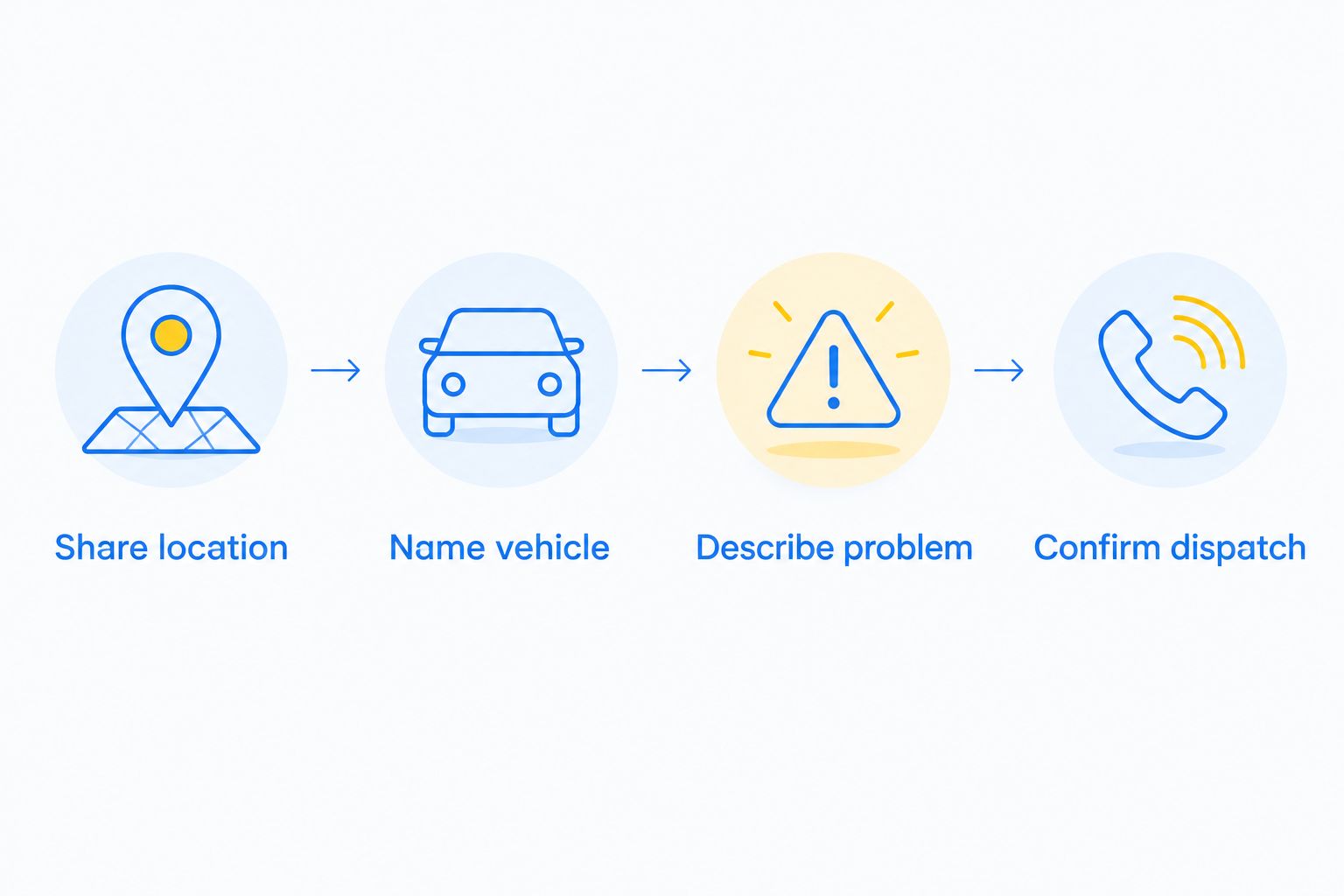
An operator needs an accurate location, not just the name of the interstate. If you are comparing dispatches in 2026, write down the answers so you do not confuse one company’s estimate with the other’s.
Pricing: compare the billing basis, not an assumed model
Ask both providers how your specific job will be billed. Do not assume that either uses a membership, a fixed service charge, or the same billing method for every call.
A fixed quote is easier to compare when its scope is clear. Variable billing requires you to understand what changes the total. Neither structure is useful if you do not know what the requested service includes.
Before authorizing help, ask:
- What service does this quote cover?
- What circumstances change the charge?
- For towing, which destination is included?
- For recovery, what work is included?
- If roadside help does not resolve the problem, how is towing handled?
For a 2026 service decision, compare the same job and destination. A fuel delivery quote and a towing quote answer different problems.
Final verdict: choose the confirmed fit
Choose Atlroadside if you need Atlanta roadside or heavy-duty help
Best for: an Atlanta-area driver or fleet dispatcher needing 24/7 assistance from a provider that explicitly lists both passenger-vehicle services and heavy-duty towing and recovery. Start the call with the vehicle, problem, and exact location.
Confirm the dispatch estimate and billing terms before accepting service. Broad capability does not replace those answers.
Choose Georgia Roadside if its confirmed dispatch fits better
Best for: a stranded driver whose call confirms the required capability and an earlier arrival estimate. This is especially relevant when you have already identified the service and can compare matching responses.
Do not trade the right capability for a quicker estimate. A faster arrival is useful only when the dispatched help can address your breakdown.
Request the right roadside help
Share your location, vehicle, and breakdown. Confirm the service and current dispatch estimate.
One-glance scorecard
| Dimension | Winner |
|---|---|
| Atlanta driver and fleet coverage | Atlanta provider for its explicitly stated metro coverage |
| Around-the-clock service | Atlanta provider for its stated 24/7 availability |
| Fuel or diesel request | The provider confirming the correct fuel and vehicle |
| Passenger-vehicle breakdown | The provider confirming the appropriate roadside service |
| Heavy-duty towing and recovery | Atlanta provider for its explicitly stated capability |
| Dispatch timing | The provider with the earlier confirmed estimate for matching service |
| Billing clarity | Tie in selection criteria: require a clear explanation from either provider |
| Standout value | The provider whose confirmed capability matches the breakdown |
FAQ
Is ATL Roadside better than Georgia Roadside?
Choose the Atlanta provider for its stated 24/7 roadside services and heavy-duty towing capability across the metro. Choose Georgia Roadside if its dispatcher confirms suitable help and an earlier arrival estimate for the same job.
Who should I call if my semi-truck runs out of diesel in Atlanta?
Call a provider that confirms emergency diesel delivery for your commercial vehicle. The Atlanta provider offers that service; give dispatch your location, vehicle type, and required fuel.
Can Georgia Roadside handle heavy-duty towing?
Confirm heavy-duty capability directly with Georgia Roadside before accepting a dispatch. Describe the truck, trailer, load, condition, and whether the situation requires towing or recovery.
Should I request a jump start or a tow?
Describe the starting problem to dispatch before choosing a service. The Atlanta provider offers both jump starts and towing, but a jump start does not establish the cause of the breakdown.
What should I ask about the cost of roadside assistance?
Ask how your specific service is billed, what it includes, and what circumstances change the charge. For towing, confirm the destination covered by the quote before authorizing the job.
Which roadside company will arrive faster?
Compare current arrival estimates after both operators confirm the same location and required service. Do not treat an estimate as a guaranteed arrival time.
What should I do if my vehicle is blocking traffic?
Treat a vehicle blocking traffic as a safety problem first and contact emergency services when there is immediate danger. Give roadside dispatch the exact location and explain that the vehicle is obstructing traffic.
One last thing
Do not authorize two dispatches just to see which arrives first. Compare the answers, select one provider, and make your acceptance clear. If you change providers, tell the first operator before accepting the replacement.
Your 2026 roadside decision comes down to one practical question: who has confirmed the right help for this vehicle, at this location, right now?