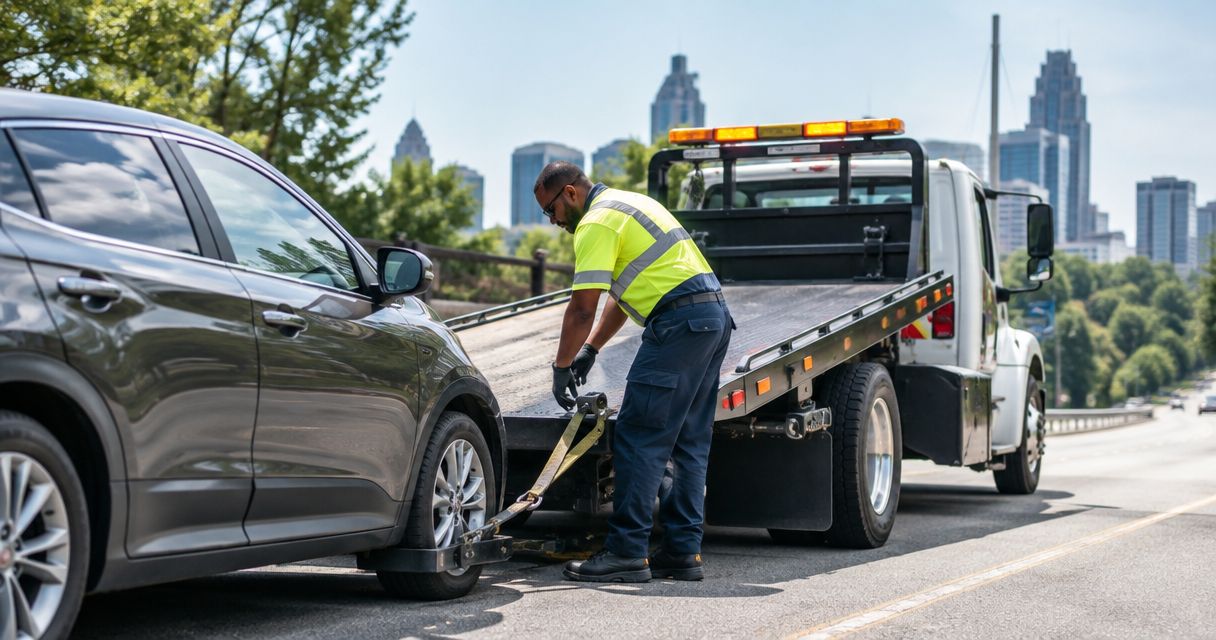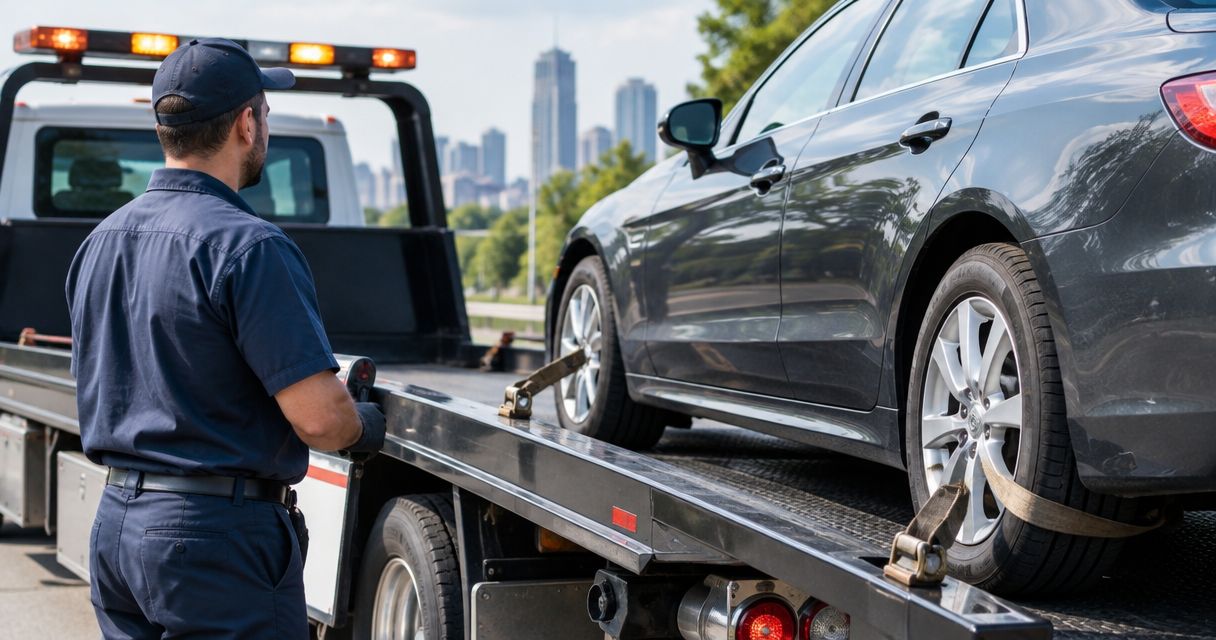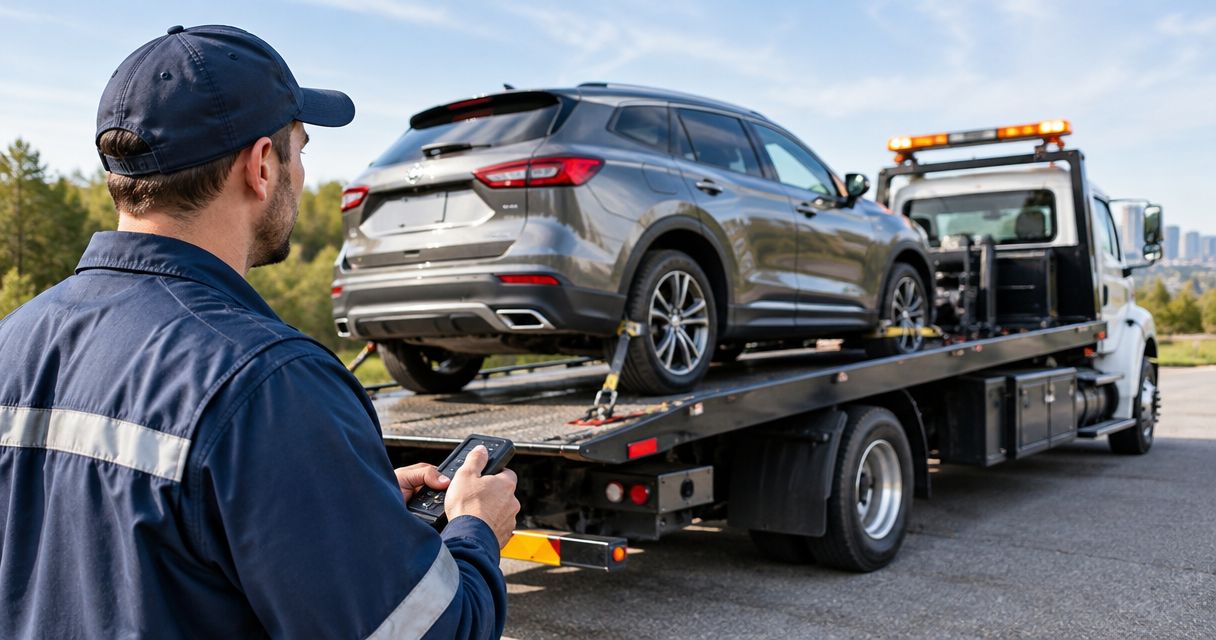

Stranded? Local roadside assistance gets help to your vehicle without making you solve the breakdown yourself. The limit is whether the provider handles your vehicle and the specific job—not just whether it answers the phone. Atlroadside is the best Atlanta roadside assistance alternative in 2026 for drivers and fleets needing direct, 24/7 local help; AAA fits drivers who want to use a roadside membership.
- Compare Atlanta roadside assistance alternatives by vehicle, breakdown, and dispatch route—not the name alone.
- Atlroadside provides 24/7 roadside assistance, fuel delivery, towing, and heavy-duty recovery across metro Atlanta.
- AAA fits membership-based roadside help; confirm your coverage and vehicle eligibility before requesting service.
- Use insurer, manufacturer, or fleet assistance when existing coverage matches the job.
Need help now? Contact Atlroadside and give your location, vehicle type, and what happened. Say immediately if you need diesel delivery, semi-truck assistance, or heavy-duty recovery.
Why this matters
A locked car, an empty diesel tank, and a disabled tractor-trailer need different help. Asking only for roadside assistance leaves the important details out.
This 2026 comparison separates direct local service from membership, insurance, manufacturer, and fleet dispatch routes. Choose the route that can handle your actual breakdown. If someone is injured or your vehicle creates an immediate traffic danger, contact emergency services first.
Atlanta roadside assistance alternatives at a glance
Atlanta roadside assistance is the search category here, not a specific competitor with a documented service plan. Use the local-provider row as your baseline, then compare the other ways to request help.
| Option | Best for | Main advantage | What to check | Difference from direct local help |
|---|---|---|---|---|
| Local Atlanta roadside provider | Requesting help directly | You explain the breakdown to the service provider | Vehicle capability and the exact job | Baseline: a direct service request |
| Atlroadside | Cars, commercial fleets, and heavy-duty roadside needs | 24/7 towing, fuel delivery, jump starts, lockouts, tire changes, and recovery | Confirm the specific service your vehicle needs | A named metro Atlanta provider with consumer and heavy-duty services |
| AAA | Drivers using roadside membership benefits | A membership-based assistance route | Membership terms and vehicle eligibility | Start through your membership rather than independently choosing local help |
| Your auto insurer's roadside option | Drivers with roadside coverage on their policy | Assistance connected to existing insurance coverage | Whether roadside coverage is included and how to request it | Start through the insurer's assistance process |
| Your vehicle manufacturer's assistance | Drivers with applicable manufacturer coverage | Assistance connected to the vehicle's coverage | Current eligibility and service instructions | Start through the manufacturer's program |
| Your fleet's approved dispatcher | Commercial drivers following fleet procedures | A dispatch route tied to fleet instructions | Authorization and equipment requirements | Follow the fleet's process before booking outside service |
Choose the option that confirms the right service for your vehicle. A membership card does not answer whether a particular job is covered. A local provider's name does not answer whether it can handle your rig.
1. Atlroadside: best for direct local and heavy-duty help
Atlroadside provides 24/7 mobile roadside assistance and towing across the Atlanta metro. Services include jump starts, lockouts, tire changes, fuel delivery, and heavy-duty towing and recovery. You can request help for a personal vehicle or a commercial fleet vehicle.
Where Atlroadside shines
- Empty tank: Request fuel delivery and identify gasoline or diesel before dispatch.
- Dead battery: Request a jump start and describe what happens when you try to start the vehicle.
- Locked vehicle: Request lockout service and explain whether anyone is inside.
- Flat tire: Request a tire change and describe the vehicle and spare.
- Disabled vehicle: Request towing and give the vehicle's condition and location.
- Heavy-duty breakdown: Identify the rig and describe whether it needs towing or recovery.
Where Atlroadside falls short
- Roadside assistance is not a substitute for workshop diagnosis or scheduled repairs.
- A jump start does not establish why the battery went flat.
- Choosing a provider directly does not establish that your insurer, membership, or fleet will authorize the service.
Best for: You need local roadside help now, including diesel delivery, emergency car towing, or heavy-duty assistance.
| Decision | Direct local service | Membership or covered assistance |
|---|---|---|
| Starting point | Contact the provider | Contact the program's assistance channel |
| Vehicle details | Explain them before dispatch | Confirm eligibility and explain the vehicle |
| Commercial needs | Ask directly about the required job | Check whether the program covers that vehicle and job |
| Repair needs | Request roadside help or towing | Follow the program's instructions for assistance |
Verdict: Buy direct service only after dispatch confirms the job and your vehicle details.
2. AAA: best for using a roadside membership
AAA is a membership-based roadside assistance option. If you already have a membership, use its assistance channel to check whether your breakdown falls within your benefits. Your membership terms determine what applies.
Where AAA shines
- Gives members a defined route for requesting roadside help.
- Lets you start with an existing membership rather than selecting a provider from scratch.
- Keeps the coverage question connected to the program that supplies the benefits.
Where AAA falls short
- Membership does not mean every vehicle or roadside job is covered.
- You still need to explain the breakdown and confirm the relevant terms.
- A commercial or heavy-duty job needs a specific eligibility check, not an assumption.
Best for: You have a roadside membership and want to use the benefits attached to it.
| Decision | AAA | Direct local provider |
|---|---|---|
| Request route | Membership assistance channel | Provider contact channel |
| Main check | Membership benefits and eligibility | Provider capability for the requested job |
| Heavy-duty need | Confirm applicable coverage | Confirm towing or recovery capability |
In 2026, check your current membership details rather than relying on what an older plan included. Give the vehicle type before discussing the symptoms.
Verdict: Hold with AAA when your membership covers the vehicle and the requested service.
3. Your insurer's roadside option: best for existing policy coverage
Roadside assistance attached to an auto policy is an alternative to independently arranging local help. Start by checking whether your policy includes it. Having auto insurance alone does not establish roadside coverage.
Where insurer assistance shines
- Gives you a request route connected to your policy.
- Lets you confirm coverage before independently arranging assistance.
- Fits drivers who already know their policy includes roadside help.
Where insurer assistance falls short
- You must establish that roadside assistance is included.
- Coverage terms still matter for the vehicle and service.
- An insurance policy is not itself confirmation that a dispatcher can handle heavy-duty recovery.
Best for: Your policy includes roadside assistance, and you want to follow that process.
| Decision | Insurer roadside option | Direct local provider |
|---|---|---|
| Starting point | Policy assistance instructions | Provider contact channel |
| Main check | Applicable coverage | Vehicle and job capability |
| Before booking elsewhere | Check authorization requirements | Confirm the requested service |
Ask whether you must use the insurer's dispatch process before arranging outside help. Do not assume an independently booked service qualifies under your policy.
Verdict: Hold with insurer assistance when coverage and dispatch instructions match the breakdown.
4. Manufacturer assistance: best for applicable vehicle coverage
Some vehicles have roadside assistance through a manufacturer program. Check your vehicle documents or the manufacturer's assistance instructions. Vehicle ownership alone does not establish current eligibility.
Where manufacturer assistance shines
- Connects the request to the vehicle's assistance program.
- Provides a defined channel when applicable coverage is active.
Where manufacturer assistance falls short
- Eligibility depends on the program's terms.
- You must confirm the service available for this breakdown.
Best for: Your vehicle has applicable manufacturer roadside coverage.
For a 2026 breakdown, check current eligibility before relying on documents from when you acquired the vehicle. Have the vehicle details ready and explain whether you need roadside help or towing.
Verdict: Hold with manufacturer assistance when current coverage applies.
5. Your fleet's dispatcher: best for commercial authorization
For a fleet vehicle, the right first call can be the dispatcher named in your company's breakdown procedure. Follow those instructions before arranging outside service. Describe the truck, trailer, load situation, and roadside problem clearly.
Where fleet dispatch shines
- Keeps the request aligned with your fleet's authorization process.
- Gives the dispatcher the information needed to arrange suitable assistance.
Where fleet dispatch falls short
- The fleet's process does not remove the need to verify recovery capability.
- Incomplete vehicle details can lead to an unsuitable service request.
Best for: Commercial drivers who must follow fleet breakdown procedures.
Need to explain a diesel shortage, disabled rig, or recovery job? The roadside assistance guide for semi-trucks focuses on commercial breakdown needs.
Verdict: Hold with fleet dispatch when company procedures require authorization.
Why people switch roadside assistance routes
You do not need to abandon an existing plan to request a different kind of help. Change routes when the current option does not match the vehicle, the job, or the required authorization.
Specific reasons to choose another route include:
- Different vehicle: You need help for a commercial truck rather than a passenger car.
- Different job: You need heavy-duty recovery, not a jump start.
- Fuel requirement: You need diesel delivery and must identify it before dispatch.
- Coverage mismatch: Your existing program does not cover the requested assistance.
- Direct request: You want to contact a local provider and explain the job directly.
Do not treat these as interchangeable problems. A tow request should describe whether the vehicle rolls and whether it is stuck. A fuel request should identify the required fuel.
What to tell dispatch before help is sent
Make the call useful. Give the information that determines where help goes and what service you need.
- Location: Road name, direction of travel, nearby exit or landmark, and where the vehicle is stopped.
- Vehicle: Car, pickup, van, semi-truck, or other commercial vehicle; include identifying details.
- Problem: Empty tank, no start, locked keys, damaged tire, disabled vehicle, or stuck vehicle.
- Safety: Tell dispatch about traffic exposure, injuries, smoke, or anyone trapped inside.
- Authorization: Say whether a membership, insurer, or fleet must approve the request.
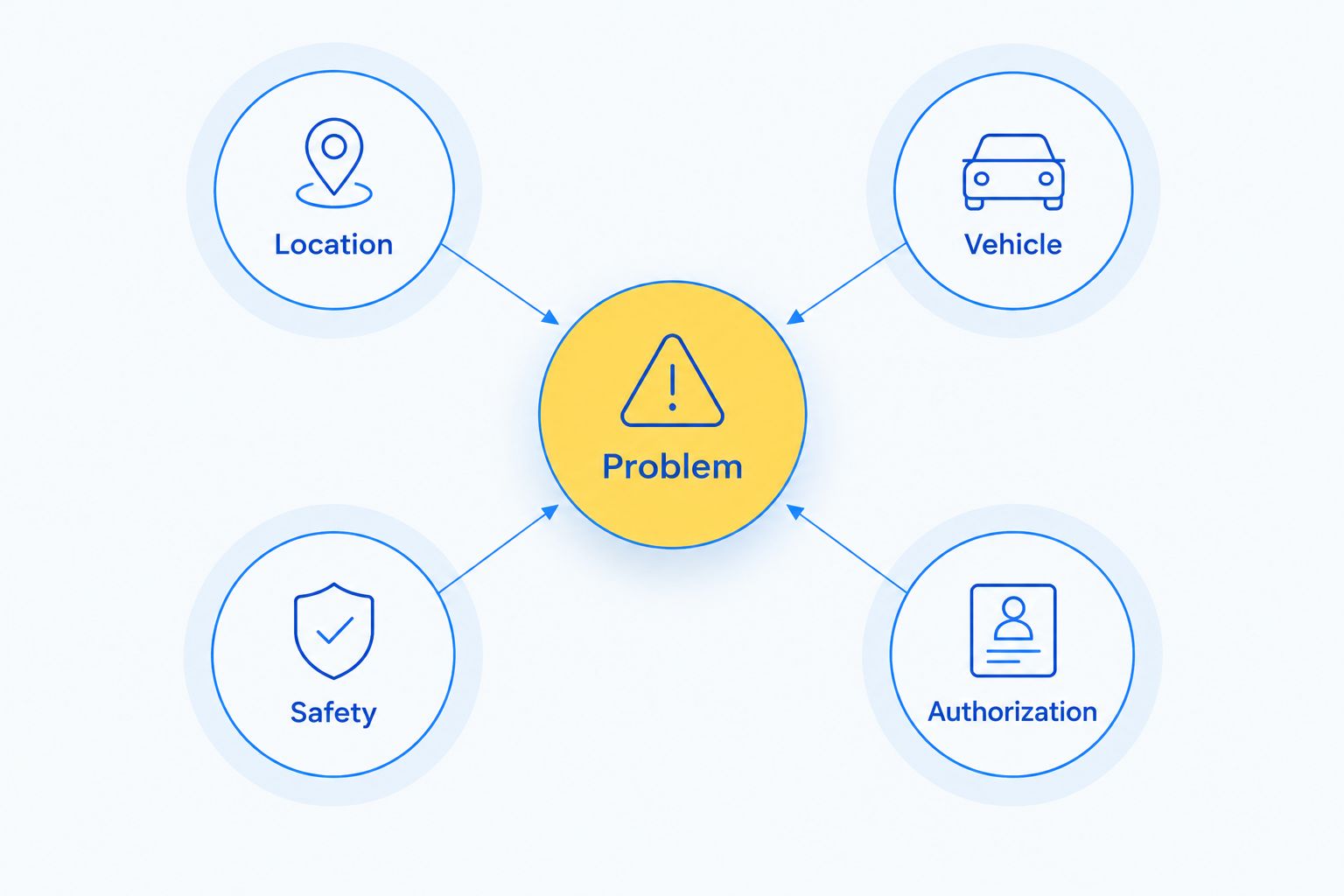
For fuel delivery, say gasoline or diesel explicitly. For a tire change, describe the spare and the damaged tire. For towing or recovery, explain the vehicle's position rather than saying only that it will not move.
Request roadside help now
24/7 fuel delivery, jump starts, lockouts, tire changes, towing, and heavy-duty recovery across metro Atlanta.
When staying with your current provider makes sense
Stay with your existing provider or assistance program when it confirms the vehicle, service, and authorization you need. There is no reason to switch simply because another name appears in a search result.
The useful question in 2026 is not which option sounds strongest. It is which option can arrange the right help for this breakdown. Resolve that question before booking overlapping requests.
FAQ
What's the best Atlanta roadside assistance alternative for help right now?
Atlroadside fits drivers and fleets needing direct, 24/7 roadside assistance across metro Atlanta. Services include fuel delivery, jump starts, lockouts, tire changes, towing, and heavy-duty recovery.
Is local roadside assistance better than AAA?
Local roadside assistance fits a direct service request; AAA fits drivers using membership benefits. Confirm the vehicle, job, and applicable terms before choosing either route.
Can I use roadside assistance through my auto insurance?
Use your insurer's roadside assistance route if your policy includes it. Check the assistance instructions and authorization requirements before independently booking help.
Who should I call if my semi-truck runs out of diesel in Atlanta?
Request emergency diesel delivery from a provider that handles commercial vehicles. State that you need diesel, identify the rig, and follow any fleet authorization requirements.
Does a jump start fix the reason my battery died?
No. A jump start does not diagnose why the battery discharged, so a recurring starting problem needs further diagnosis.
Should I request towing or recovery for a stuck vehicle?
Describe the vehicle's position and tell dispatch it is stuck. Recovery and towing are different requests, and the provider needs the situation explained before arranging help.
What should I tell roadside dispatch first?
Give your exact location, vehicle type, and breakdown. Then explain any immediate safety concern and whether an insurer, membership, or fleet must authorize service.
One last thing
Lead with the vehicle and the job, not just the symptom. A car that will not start and a loaded rig that will not move do not need the same dispatch decision. Clear details help the provider arrange the right assistance.