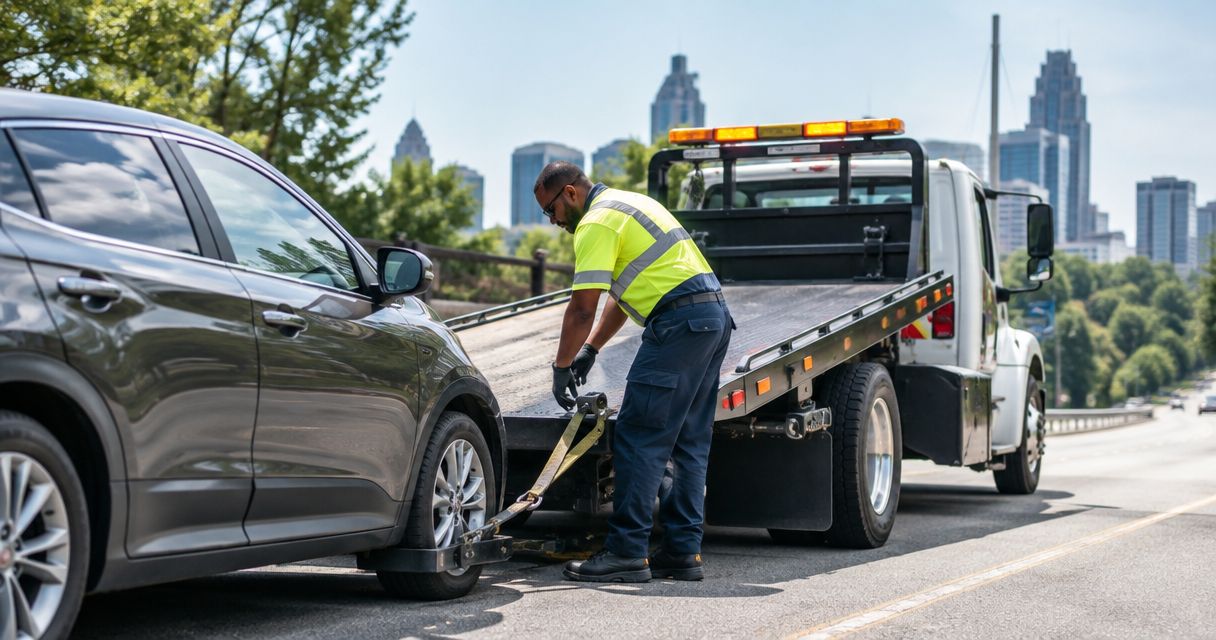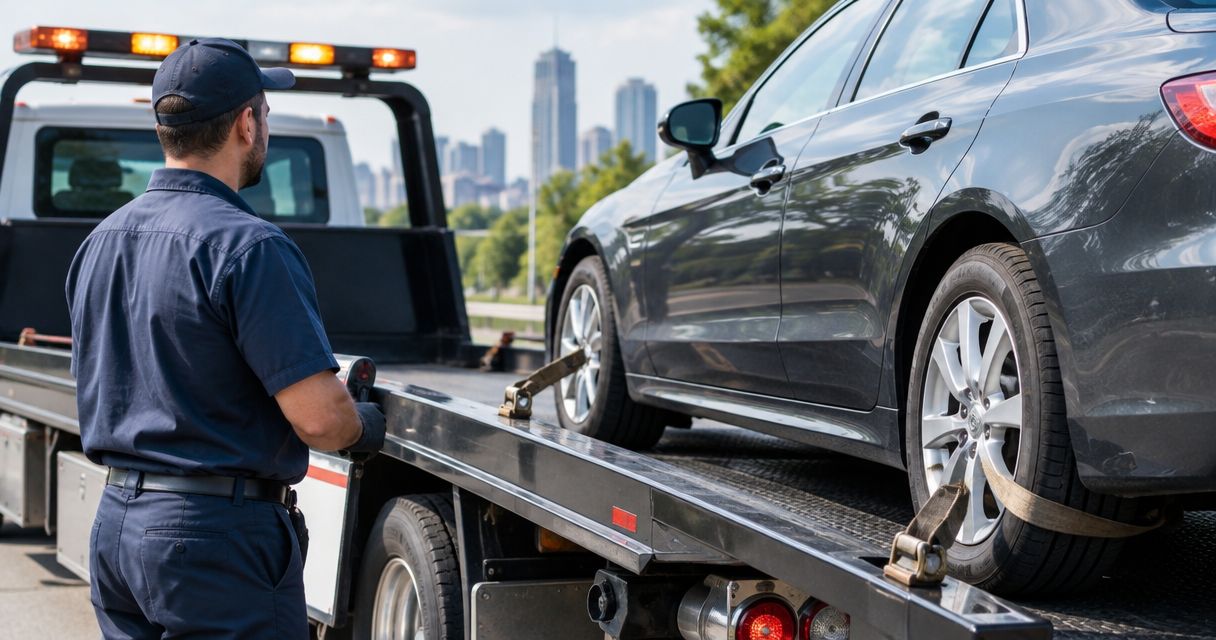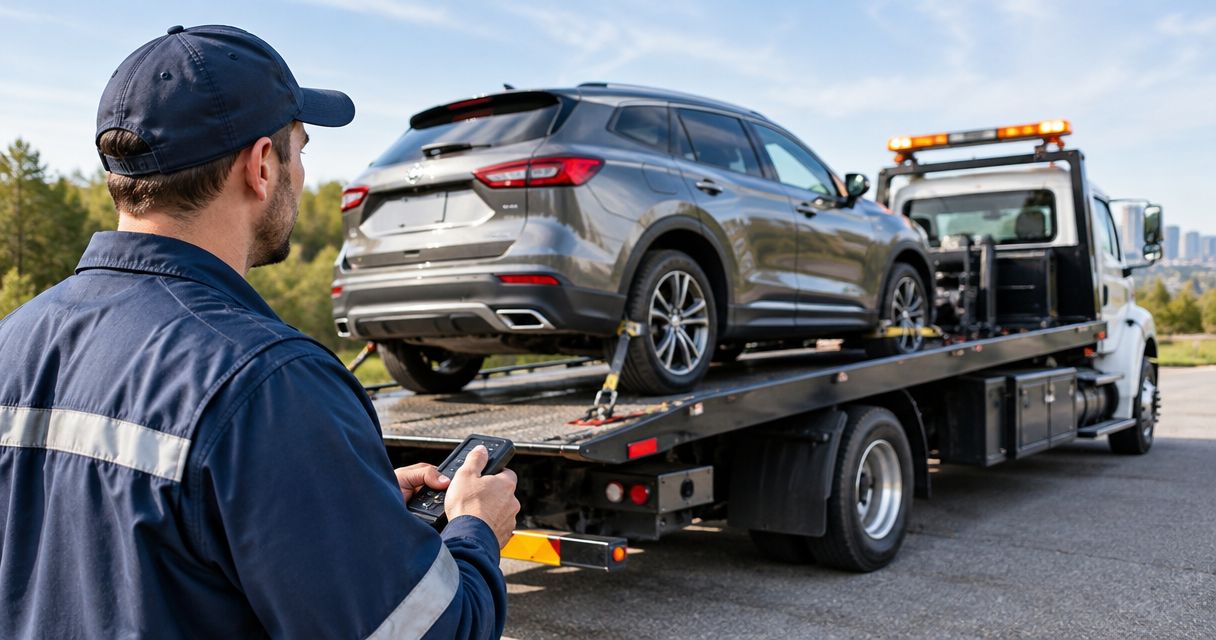
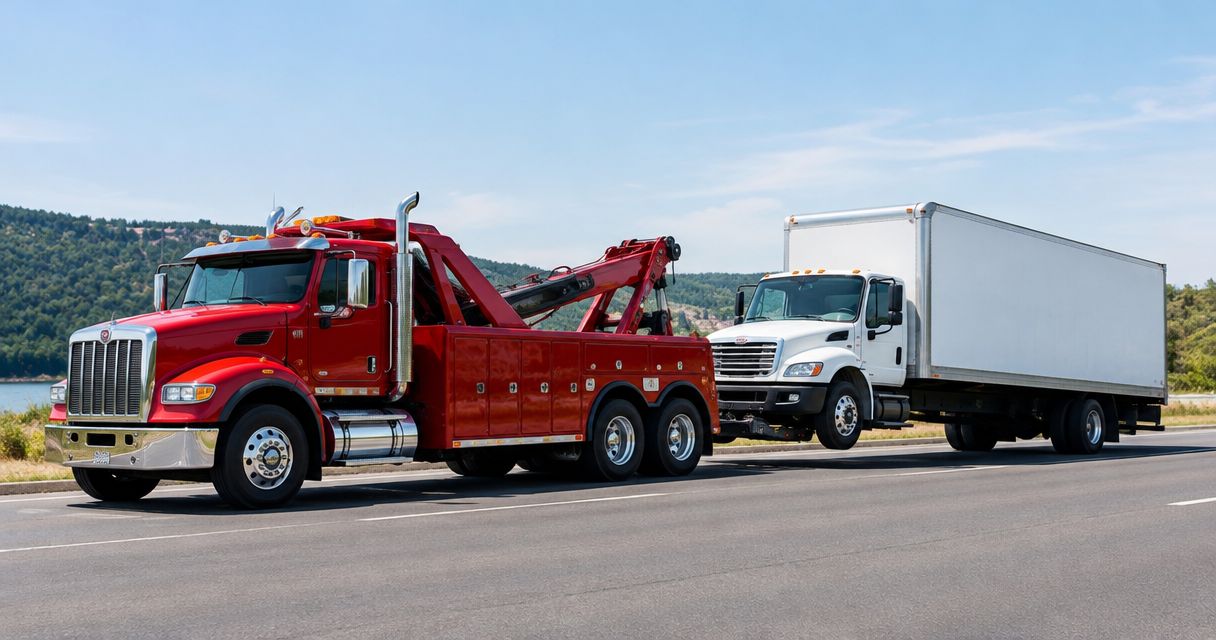
Yes. Heavy-duty tow trucks can tow box trucks and RVs when the truck’s capacity, towing setup, and vehicle manufacturer’s instructions match the job. A loaded box truck, damaged axle, or low-clearance motorhome needs more than a generic tow request—tell dispatch exactly what is stranded before equipment rolls.
- Can heavy duty tow trucks tow box trucks and RVs? Yes—capacity, vehicle condition, and manufacturer instructions determine the setup.
- Atlroadside provides 24/7 heavy-duty towing and recovery across the Atlanta metro for drivers and commercial fleets.
- Report cargo, vehicle dimensions, drivetrain, and damage before dispatch selects equipment.
- Request recovery, not just towing, if your box truck or RV is stuck off the pavement.
Stranded now? Contact Atlroadside and describe your vehicle, location, and breakdown. Ask for heavy-duty dispatch assessment—not simply the biggest truck.
Why this matters
A tow truck’s size alone does not prove it can move your vehicle safely. The operator must account for what gets lifted, what stays on the road, and how the vehicle connects to the towing equipment.
For a box truck, that includes cargo. For an RV, that includes body clearance, drivetrain requirements, and anything attached behind it. Give dispatch those details before arrival, not after the operator reaches your shoulder.
Can heavy duty tow trucks tow box trucks and RVs?
Yes. Heavy-duty towing equipment can move both vehicle types, but the correct method depends on the individual vehicle and its condition. Not every box truck requires heavy-duty equipment, and not every RV can use the same towing method.
Use this comparison to explain what you need. These are dispatch considerations, not instructions for hooking up a disabled vehicle yourself.
| Vehicle or situation | Best suited to | What dispatch must check | Main limitation |
|---|---|---|---|
| Box truck on firm pavement | A towing setup matched to the truck’s actual weight and condition | Cargo, axle condition, drivetrain, and access | An empty-truck weight does not account for the load |
| Motorized RV on firm pavement | A towing setup that follows the chassis manufacturer’s instructions | Overall dimensions, clearance, drivetrain, and damage | Bodywork and rear overhang can restrict lifting or loading |
| Travel trailer or fifth-wheel | Trailer-specific transport assessment | Hitch type, running gear, weight, and condition of the tow vehicle | A towable RV is not dispatched like a motorhome |
| Box truck or RV stuck off pavement | Recovery assessment before road transport | Ground conditions, slope, access, and vehicle stability | A normal roadside hookup does not address a stuck vehicle |
Report the vehicle and the problem; let the operator select the equipment. Asking for a flatbed or wheel-lift without that assessment skips the details that determine whether either method fits.
Box trucks: cargo changes the towing job
A loaded delivery truck is not the same towing job as the same truck empty. Dispatch needs to know what is aboard, whether the load shifted, and whether anything is leaking or unsecured.
Give the make, model, and vehicle identification details available from a safe position. If you have a reliable loaded weight, provide it. Do not guess or treat the gross vehicle weight rating as a scale reading: GVWR is a rated maximum, not the truck’s measured weight at the breakdown.
Also report a liftgate, damaged rear bumper, or anything hanging below the body. These details help the operator assess access and clearance.
Best for loaded box trucks: a dispatch assessment that includes the cargo, not just the truck model. The drawback is straightforward: incomplete load information leaves an important part of the towing plan unresolved.
For fleet work, tell dispatch who can authorize the move and where the truck should go. Confirm that the destination can receive a commercial vehicle before transport begins.
RVs: identify the chassis, not just the coach
Tell dispatch whether you have a motorhome, travel trailer, or fifth-wheel. “RV” is too broad for equipment selection.
For a motorhome, provide the coach make and model plus the chassis information if available. Have the owner’s manual ready. The chassis manufacturer’s towing instructions matter because drivetrain protection and approved towing procedures differ by vehicle.
Report low bodywork, rear overhang, slide-outs that will not retract, and leveling jacks that will not stow. Mention an attached trailer or towed car immediately. Do not assume the whole combination can move together.
Best for motorhomes: a towing plan checked against the chassis instructions and physical clearance. Heavy-duty capability addresses the load, but it does not remove restrictions created by the RV’s construction.
Secure loose interior items only when you can do so safely. Do not crawl underneath the coach or try to force damaged equipment into position beside traffic.
Why the towing setup varies
The correct towing setup depends on these factors:
- Actual weight and cargo. A loaded box truck or packed motorhome changes the load the equipment must handle. Give measured information when available.
- Drivetrain instructions. Transmission and drive-axle requirements determine preparation before towing. Neutral alone is not a universal solution.
- Clearance and overhang. Low steps, body panels, and long rear sections affect lifting and loading angles.
- Wheel, axle, and suspension condition. A vehicle that cannot roll normally needs a different assessment from one with a simple engine breakdown.
- Access and ground conditions. A paved shoulder, parking deck, soft verge, and ditch present different access and recovery problems.
- Attachments and damage. Trailers, tow dollies, deployed jacks, collision damage, and shifted cargo must be disclosed before equipment selection.
Do not choose the towing method from the vehicle’s appearance. A large body does not tell dispatch the actual weight, drivetrain restrictions, or condition underneath.
What should you tell heavy-duty dispatch?
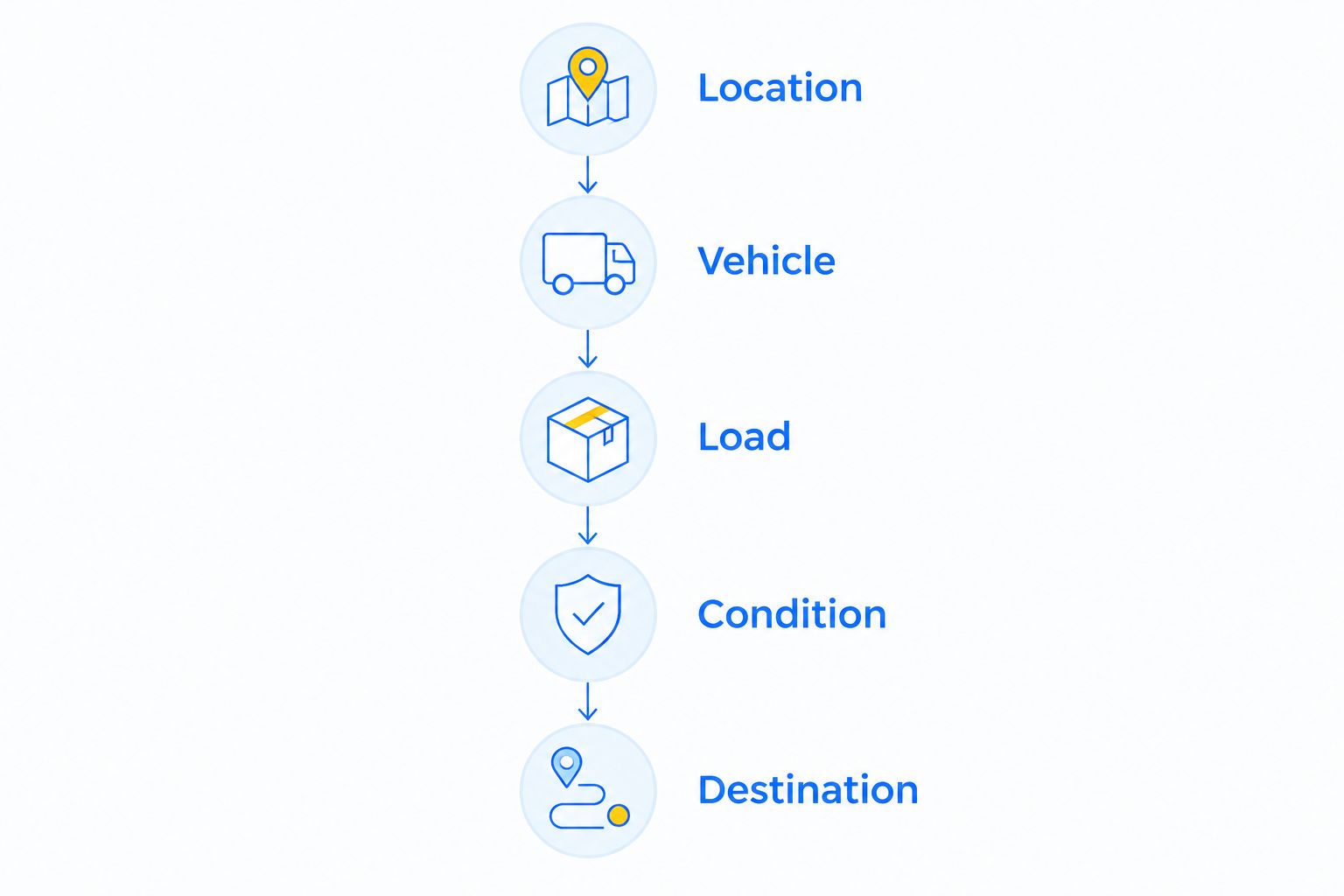
Use this order when you call. It keeps the immediate hazard separate from the equipment details.
- Location. Give the road, direction of travel, nearest exit or landmark, and whether you are blocking a lane. Share a location pin if requested.
- Vehicle. Identify the box truck, motorhome, travel trailer, or fifth-wheel. Add the make, model, and dimensions you know.
- Load. Describe cargo, attached vehicles, and any known weight. Say when a figure is unknown rather than guessing.
- Condition. Explain whether the engine starts, wheels turn, brakes release, or an axle appears damaged. Report observations; do not test a damaged vehicle beside traffic.
- Destination. Provide the receiving location and any access restrictions. Commercial drivers should include the fleet contact who can authorize the move.
If you can safely take photos, ask dispatch which views help. Do not step into a traffic lane, stand between vehicles, or walk around an unstable truck to get a better picture.
Atlroadside heavy-duty towing is for Atlanta-area drivers and fleets needing 24/7 towing or recovery assistance. Confirm the vehicle-specific setup during dispatch; service capability does not mean every vehicle uses the same equipment.
Request heavy-duty roadside help
Describe your box truck or RV, its condition, and your Atlanta metro location.
Do you need towing or roadside service?
Describe the failure before committing to a tow. An empty fuel tank, dead battery, lockout, or tire problem calls for a different assessment than collision damage or a failed axle.
Atlroadside roadside assistance includes fuel delivery, jump starts, lockout service, and tire changes, alongside towing and heavy-duty recovery. Tell dispatch whether you need gasoline or diesel and identify the vehicle. Do not assume every roadside service fits every commercial truck or RV configuration.
Roadside service avoids transport when the problem can be addressed safely at the scene. Its limitation is the location and fault: a dangerous shoulder or damaged running gear can make towing the appropriate next step.
Can a loaded box truck be towed without unloading it?
A loaded box truck can be towed when the towing equipment, vehicle condition, and load arrangement permit it. Unloading is not automatically required, but dispatch must know what the truck carries before assessing the move.
Report shifted cargo, a damaged box, or a leaking load immediately. Do not open a cargo door if the load appears to be pressing against it.
Can you leave an RV in neutral for towing?
Neutral is not blanket permission to tow an RV with its wheels on the road. Follow the chassis manufacturer’s instructions and let the operator determine the required preparation.
Do not disconnect a driveshaft, release brakes, or attempt an improvised tow yourself. Give the operator the manual and explain any existing drivetrain trouble.
FAQ
Can heavy-duty tow trucks tow both box trucks and RVs?
Yes. Heavy-duty tow trucks can tow box trucks and RVs when capacity, vehicle condition, and manufacturer towing instructions match the proposed setup. Dispatch needs the vehicle details before selecting equipment.
Does every box truck need a heavy-duty tow truck?
No. The required equipment depends on the box truck’s actual weight, load, condition, and towing requirements. Describe the truck rather than choosing equipment by its appearance.
Can a motorhome be moved on a flatbed?
A motorhome can be transported on a suitable carrier when capacity, dimensions, loading clearance, and manufacturer requirements permit it. Ask dispatch to assess the specific coach rather than assuming a standard flatbed fits.
What if my RV is towing a car?
Tell dispatch that a car is attached before equipment is assigned. The attached vehicle needs its own transport assessment; do not assume the entire combination can be moved together.
What if my box truck is stuck in mud?
Request recovery assessment and explain the ground conditions, slope, and truck position. A stuck truck needs a recovery plan before normal road towing can begin.
Can I stay inside my RV while it is being towed?
Do not plan to ride inside the RV during towing. Tell dispatch how many people need onward transportation and arrange a safe ride before the move.
Is heavy-duty towing available overnight in Atlanta?
Atlroadside provides 24/7 heavy-duty towing and recovery across the Atlanta metro. Describe your location and vehicle so dispatch can assess the job and confirm the arrival estimate.
One last thing
A running engine does not prove the vehicle is safe to drive. A truck or RV with damaged steering, suspension, wheels, or brakes still needs assessment before it moves.
When you call, lead with the hazard: “blocking a lane,” “rear wheel damaged,” or “stuck off pavement.” Then give the vehicle details. That tells dispatch what matters before the towing plan takes shape.