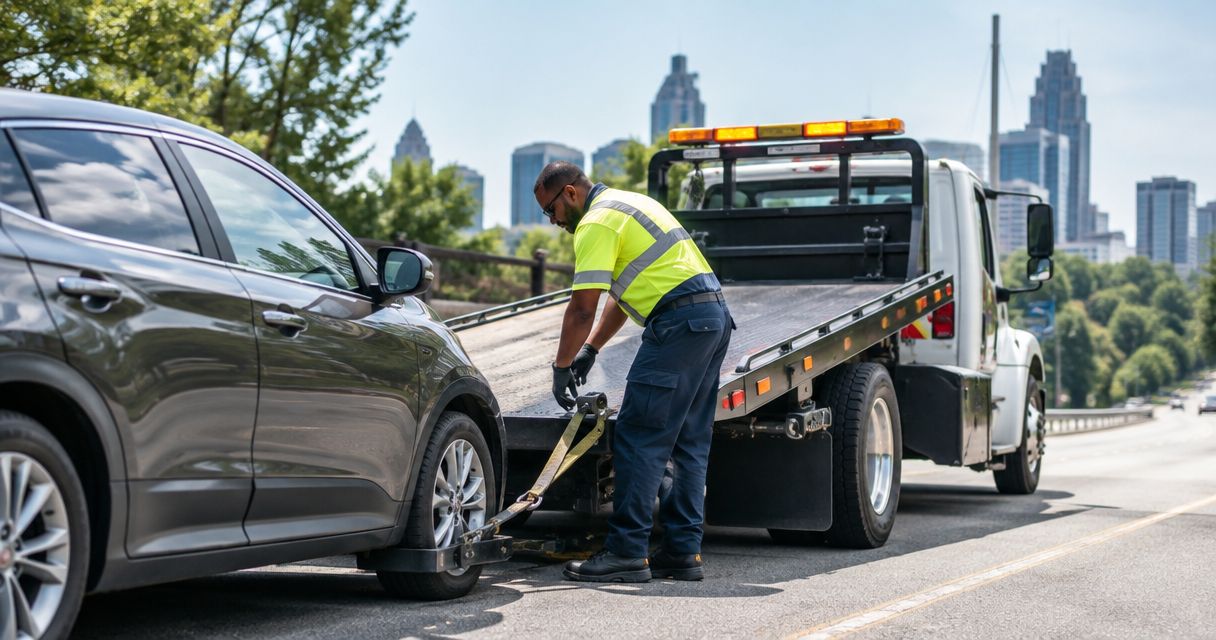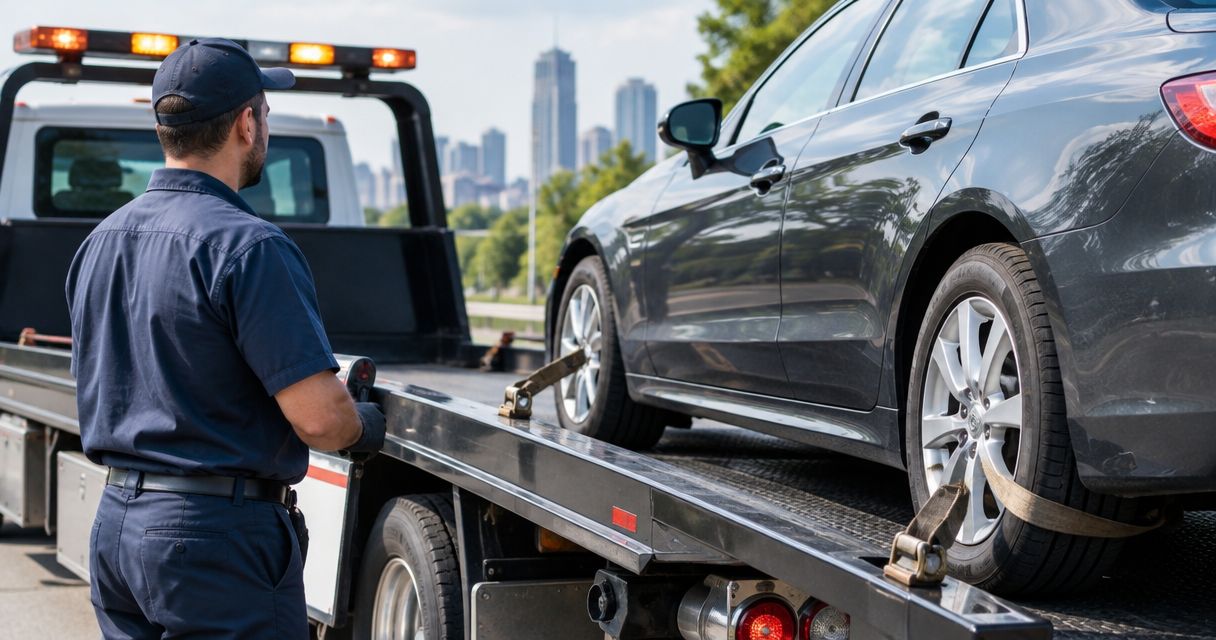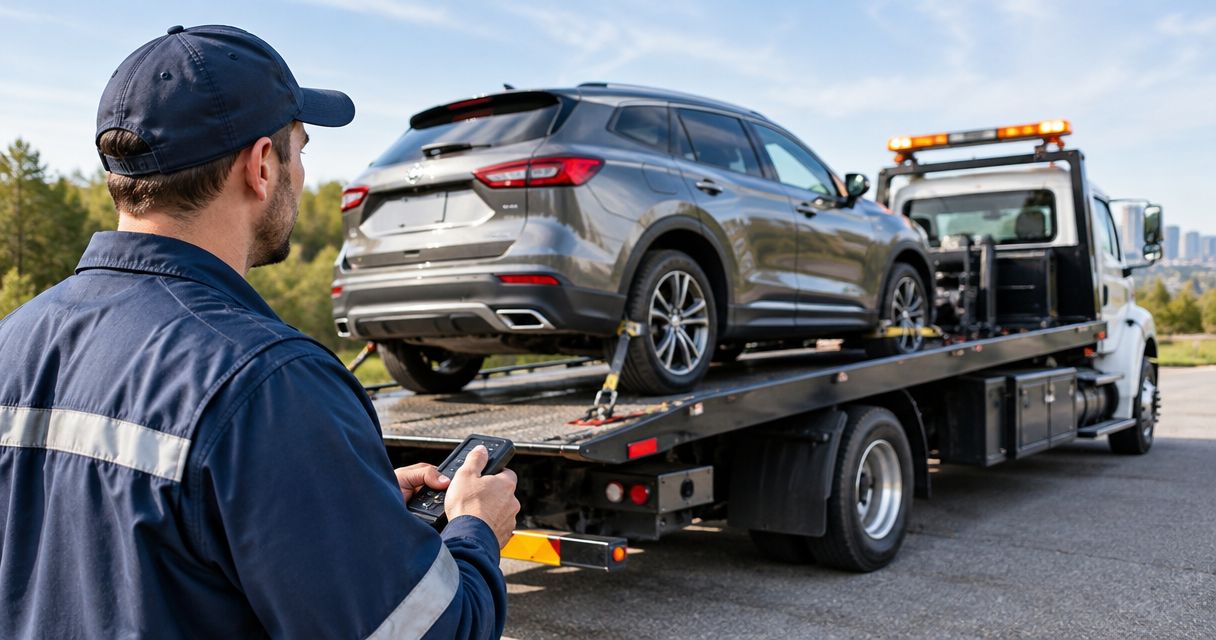

Stranded in Atlanta? Atlroadside is a local choice among 24hrs roadside assistance alternatives in 2026 for drivers and fleets needing 24/7 mobile help, towing, or heavy-duty recovery. Use the Atlroadside website to call for help, and tell dispatch where you are, what you drive, and what went wrong.
- Atlroadside is a local choice among 24hrs roadside assistance alternatives for Atlanta drivers and commercial fleets.
- Match the call to the problem: fuel delivery, jump starts, lockouts, tire changes, towing, or heavy-duty recovery.
- Use an existing roadside plan when its dispatcher confirms help for your vehicle and location.
- For a stranded semi-truck, tell dispatch the vehicle type before requesting assistance.
Why this matters
You need the right help, not another name on a list. A locked car, an empty diesel tank, and a disabled semi-truck need different service requests.
Start with the problem you can describe. Then confirm that the provider can handle your vehicle at your exact location. Availability alone does not answer that question.
For your 2026 comparison, separate three decisions:
- Service: Do you need roadside help, a tow, or recovery?
- Vehicle: Is it a passenger car, commercial vehicle, or heavy-duty rig?
- Dispatch: Who can accept the job and tell you the next step?
If you are in immediate danger, call 911. A roadside assistance request does not replace an emergency call.
24hrs roadside assistance alternatives at a glance
Use this table to choose a dispatch route. The alternatives include a direct local provider, an existing roadside benefit, and your fleet's own dispatch process. They are not interchangeable.
| Option | Best for | Main reason to use it | What to confirm before proceeding |
|---|---|---|---|
| 24Hrs Roadside Assistance | Benchmarking your original provider against another route | Keeping your original service inquiry in the comparison | Your vehicle, exact location, required service, and whether dispatch accepts the job |
| Atlroadside | Atlanta drivers and fleets needing mobile help or towing | Stated 24/7 roadside services plus heavy-duty towing and recovery | The service needed, vehicle details, location, and next dispatch step |
| An existing insurance or vehicle roadside benefit | Drivers checking a benefit they already hold | Using an established assistance channel when it applies | Whether your benefit covers this incident and how to request service |
| Your fleet's dispatch or approved assistance provider | Commercial drivers following company procedures | Keeping the breakdown request within the fleet's authorization process | Who authorizes the work and which provider should attend |
| A towing provider selected for the vehicle | Vehicles that need transport rather than a roadside fix | Requesting a tow directly instead of a different roadside service | Vehicle requirements, pickup access, destination, and job acceptance |
Choose the route that confirms the job you actually need. Do not treat a general roadside listing as confirmation of heavy-duty recovery capability.
1. Atlroadside: best for Atlanta roadside and heavy-duty needs
Atlroadside provides roadside assistance across the Atlanta metro for drivers and commercial fleets. Its stated services include mobile towing, jump starts, lockout service, tire changes, fuel delivery, and heavy-duty towing and recovery.
Service is available 24 hours a day, 7 days a week. You can request help for a passenger vehicle or explain a commercial breakdown without treating every incident as a standard car tow.
Where this option shines
- Fuel delivery: Request fuel help and identify whether the vehicle needs gasoline or diesel.
- Dead battery: Request a jump start and describe what happens when you try to start the vehicle.
- Keys locked inside: Request lockout service and identify the vehicle.
- Flat tire: Request tire-change help and tell dispatch whether you have a spare.
- Disabled vehicle: Request emergency towing when the vehicle needs transport.
- Heavy-duty breakdown: Explain the rig and whether you need towing or recovery.
Where this option falls short
Roadside assistance is not a substitute for diagnosing every mechanical fault. A jump start addresses a starting problem; it does not establish why the battery discharged. A tow moves a disabled vehicle; it does not repair it.
You still need to describe access, vehicle condition, and the requested work. 24/7 availability is not an exact arrival-time promise. Ask dispatch for the current next step rather than planning around an assumed number of minutes.
Best for: Atlanta drivers and fleets seeking a direct roadside assistance or towing request in 2026.
Verdict: Call when you need local mobile help, emergency towing, or heavy-duty recovery.
2. An existing roadside benefit: best for checking help you already hold
If your insurance, vehicle agreement, or membership includes roadside assistance, contact that assistance channel. Ask whether the current incident qualifies before arranging work on the assumption that it does.
Keep the request specific. A benefit relevant to a passenger car does not, by itself, establish assistance for a commercial rig.
Where this route shines
- You can check an existing agreement instead of starting with an unfamiliar service arrangement.
- The assistance channel can explain how to request help under that agreement.
- You can confirm authorization before commissioning outside work.
Where this route falls short
The agreement controls what applies. Do not assume that fuel delivery, towing, tire service, or a particular vehicle is included just because the agreement mentions roadside assistance.
Do not assume that independently arranged work follows the same process as work requested through the benefit. Ask first.
Best for: Drivers with an existing roadside benefit who can confirm that it applies to their breakdown.
Verdict: Hold until the assistance channel confirms the incident and dispatch process.
3. Fleet dispatch: best for commercial drivers needing authorization
For a company vehicle, contact your dispatcher or fleet manager and describe the breakdown. Ask who should authorize assistance and whether the fleet has a required service channel.
That conversation should identify the vehicle, its location, and whether it needs fuel, roadside help, towing, or recovery. For more detail on choosing commercial help, read the commercial roadside assistance guide for Atlanta.
Where this route shines
- It puts the assistance request in front of the person responsible for the vehicle.
- It gives you a place to confirm approval and the intended destination.
- It lets you explain a commercial breakdown before requesting a passenger-car service.
Where this route falls short
Fleet dispatch is a coordination route, not proof that a service vehicle has been assigned. Confirm who is sending help and what work has been requested.
Best for: Commercial drivers whose company manages breakdown assistance.
Verdict: Use fleet dispatch for authorization, then confirm the actual service assignment.
4. Direct towing: best when the vehicle needs transport
Request towing when the vehicle needs to be moved rather than assuming a jump start, fuel delivery, or tire change will resolve the problem. Give the provider your pickup location and intended destination.
Tell dispatch about visible damage, wheels that will not roll, or difficult access. Those details belong in the first call, not after a truck arrives.
Where this route shines
- It matches the request to vehicle transport.
- It lets you establish the destination before arranging the job.
- It brings vehicle condition and access into the dispatch conversation.
Where this route falls short
Towing does not repair the underlying fault. A routine tow request also does not establish that the provider can recover a stuck vehicle or handle a heavy-duty rig.
Best for: Disabled vehicles that need transport to a chosen destination.
Verdict: Choose towing when transport is the job; specify recovery or heavy-duty needs separately.
When to choose another provider
Choose another provider when your current dispatch route does not accept the job you need. That is a practical reason to compare 24hrs roadside assistance alternatives—not a reason to assume anything about a company's service quality.
Use these decision points for a 2026 breakdown:
- Your vehicle needs different capability. Describe the commercial vehicle or heavy-duty rig and confirm acceptance.
- Your requested service has changed. If the vehicle needs transport, change the request from roadside help to towing.
- Your location needs clarification. Confirm the road, direction of travel, and access before proceeding.
- Your authorization needs sorting out. Check your benefit or fleet procedure before arranging separate work.
If you change providers, tell the original dispatch channel. Avoid leaving two requests active because each conversation ended without a clear decision.
Before you call: make the request usable
You do not need to diagnose the vehicle. You need to give dispatch enough information to understand the job.
- Check safety. Stay out of traffic. If there is an immediate threat to life or safety, contact emergency services.
- Locate vehicle. Give the road, direction of travel, nearest exit or landmark, and whether you are on a shoulder, in a parking lot, or somewhere else.
- Describe problem. State the vehicle type and what you can observe: no start, flat tire, locked keys, empty tank, or a vehicle that cannot move.
- Request help. Say which service you need, or ask dispatch to clarify the request from the symptoms you describe.
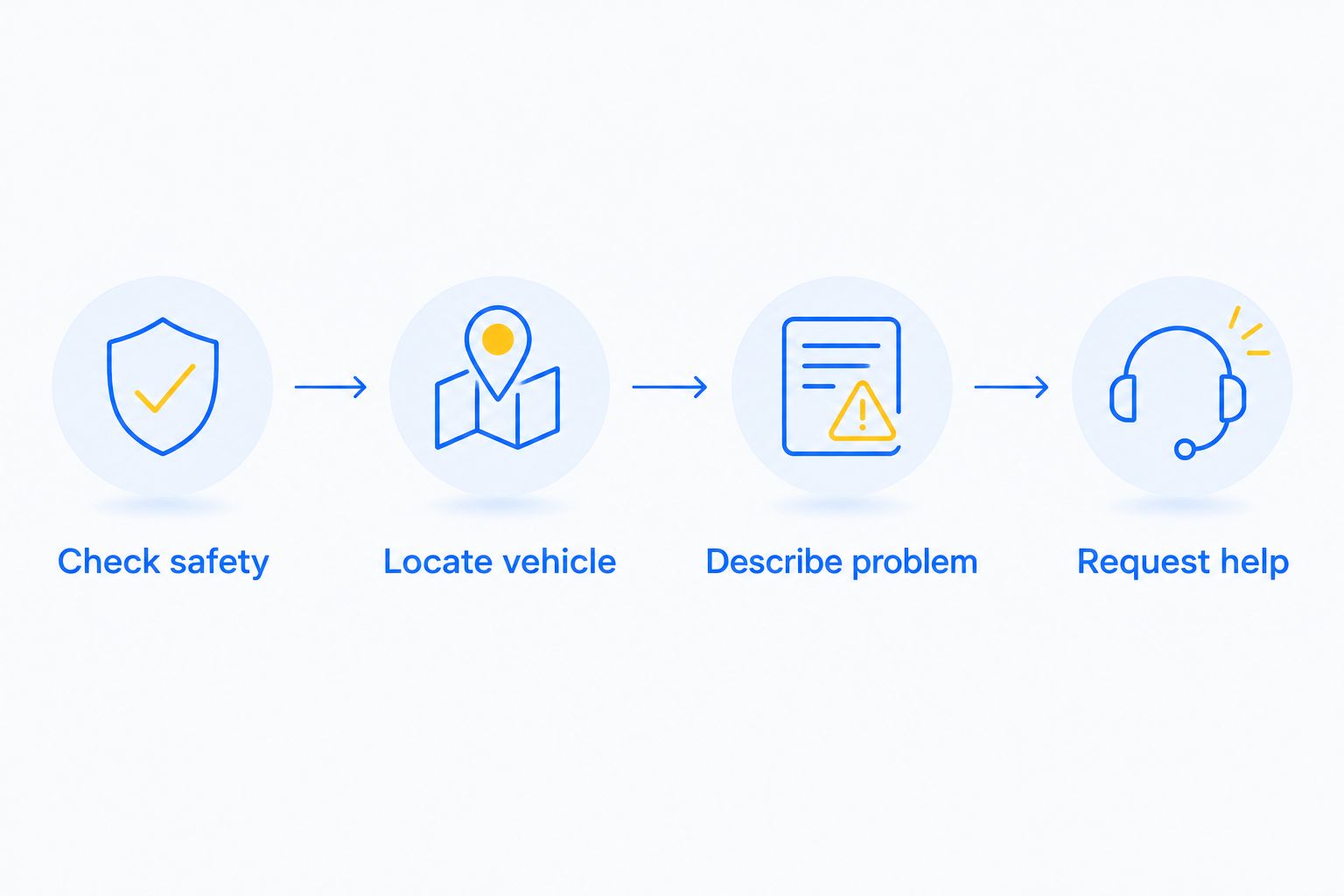
For fuel delivery, identify gasoline or diesel. For a tire change, say whether a spare is present. For a lockout, explain whether anyone is inside the vehicle; an immediate safety risk belongs with emergency services.
For a semi-truck, identify the rig before describing the symptom. Tell dispatch whether it is attached to a trailer and explain any access problem you can see. Do not reduce a heavy-duty breakdown to “my vehicle won't start.”
Request Atlanta roadside help
Explain your location, vehicle, and problem. Roadside assistance and towing are available 24/7.
When staying with 24Hrs Roadside Assistance is the right call
Stay with your original provider when its dispatcher confirms the required service for your vehicle and location, and you understand the next step. Switching names is not a substitute for confirming the job.
If help is already assigned, clarify the status before opening another request. Your 2026 comparison should end with one clear dispatch decision—not several unresolved calls.
FAQ
What's a local alternative to 24Hrs Roadside Assistance in Atlanta?
Atlroadside is a local roadside assistance option for Atlanta drivers and commercial fleets. Its stated services include 24/7 towing, jump starts, lockouts, tire changes, fuel delivery, and heavy-duty towing and recovery.
Is another roadside provider better than 24Hrs Roadside Assistance?
Choose the provider that confirms your required service, vehicle, and location. A company name alone does not establish which dispatch route fits your breakdown.
Can I get roadside assistance at night in Atlanta?
Atlroadside provides roadside assistance 24/7 across the Atlanta metro. Describe your location and vehicle when requesting help, and ask dispatch for the next step.
What should I tell dispatch if my semi-truck runs out of diesel?
Tell dispatch that you need diesel delivery for a semi-truck. Give your road, direction of travel, nearest exit or landmark, and any access restrictions you can observe.
Should I use my insurance roadside assistance first?
Contact your insurance assistance channel first when you want to use a roadside benefit in your agreement. Confirm that the incident qualifies and ask how to arrange service before commissioning separate work.
Do I need roadside assistance or a tow?
Request towing when the vehicle needs transport; request roadside help for a specific service such as fuel delivery, a jump start, a lockout, or a tire change. If you cannot tell which applies, describe the symptoms instead of guessing at the fault.
What matters most when comparing roadside alternatives in 2026?
Confirm service fit, vehicle fit, and job acceptance. For a commercial vehicle, also establish who authorizes the work and where the vehicle should go if it needs towing.
One last thing
Your direction of travel belongs in the first call. A road name without a direction leaves an important part of the location unresolved, especially on an interstate.
Give the location before telling the full breakdown story. Then identify the vehicle and the service you need. That is the clearest way to turn a comparison into an actionable request.