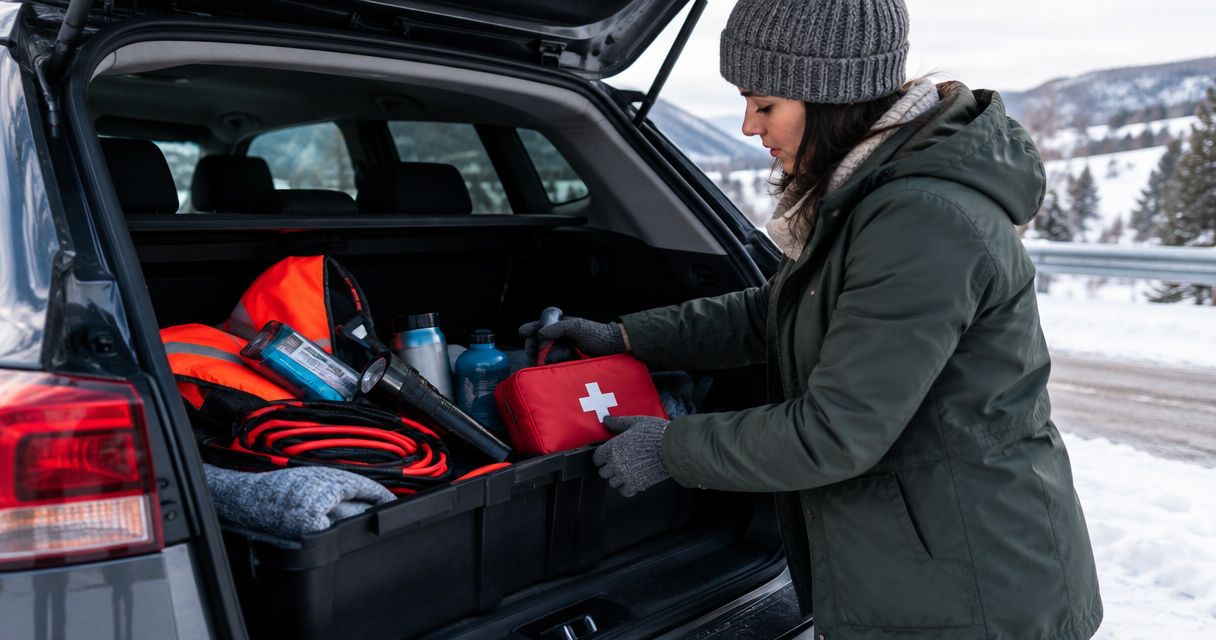
Best overall: an all-weather commuter kit. Best for families: a passenger-focused kit. Best budget option: an essentials-only kit. The best winter car emergency kit for Georgia keeps you warm, visible, and able to call for help—not busy fixing a vehicle beside traffic.
- Winter car emergency kit Georgia pick: an all-weather commuter kit with warmth, visibility, phone power, and vehicle-specific supplies.
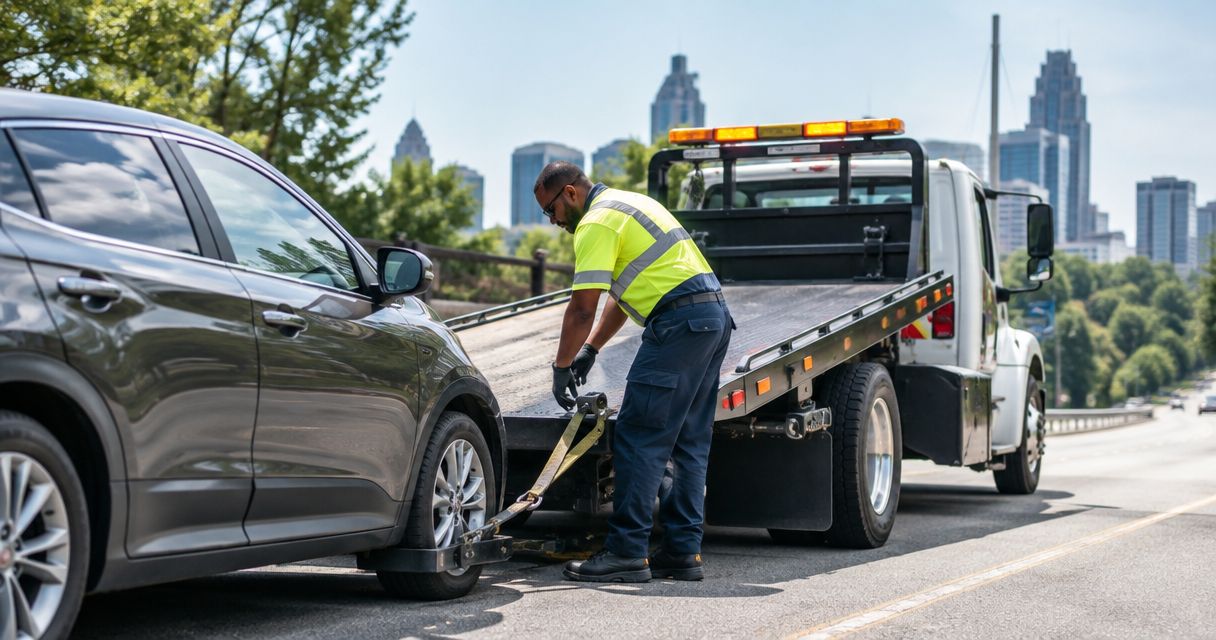
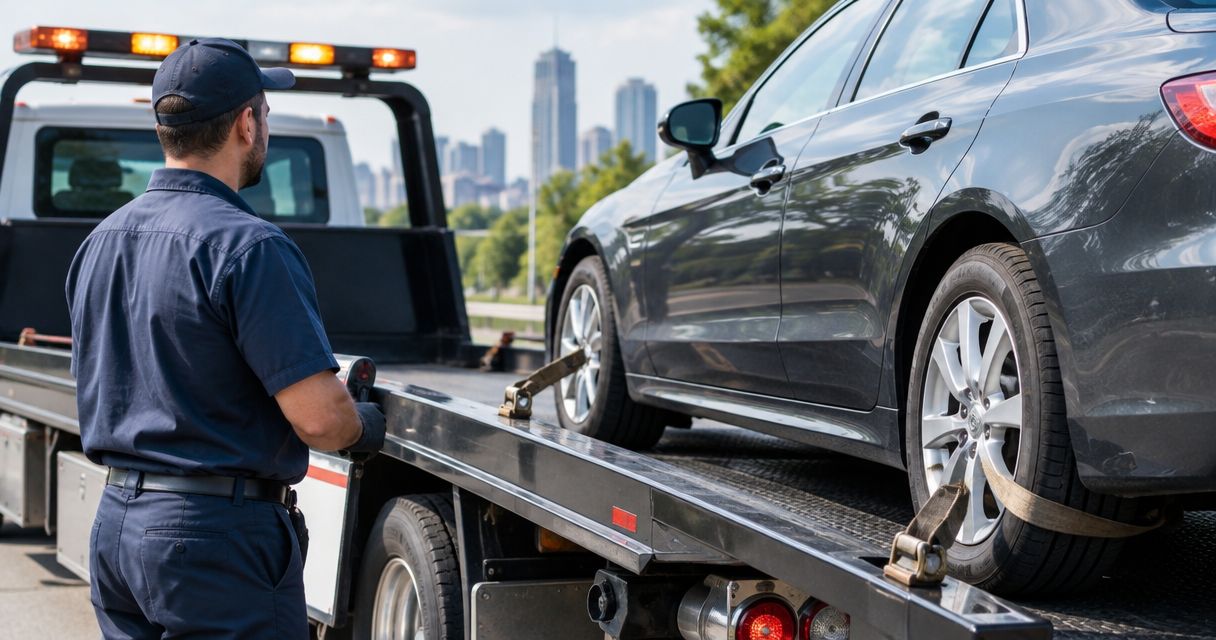
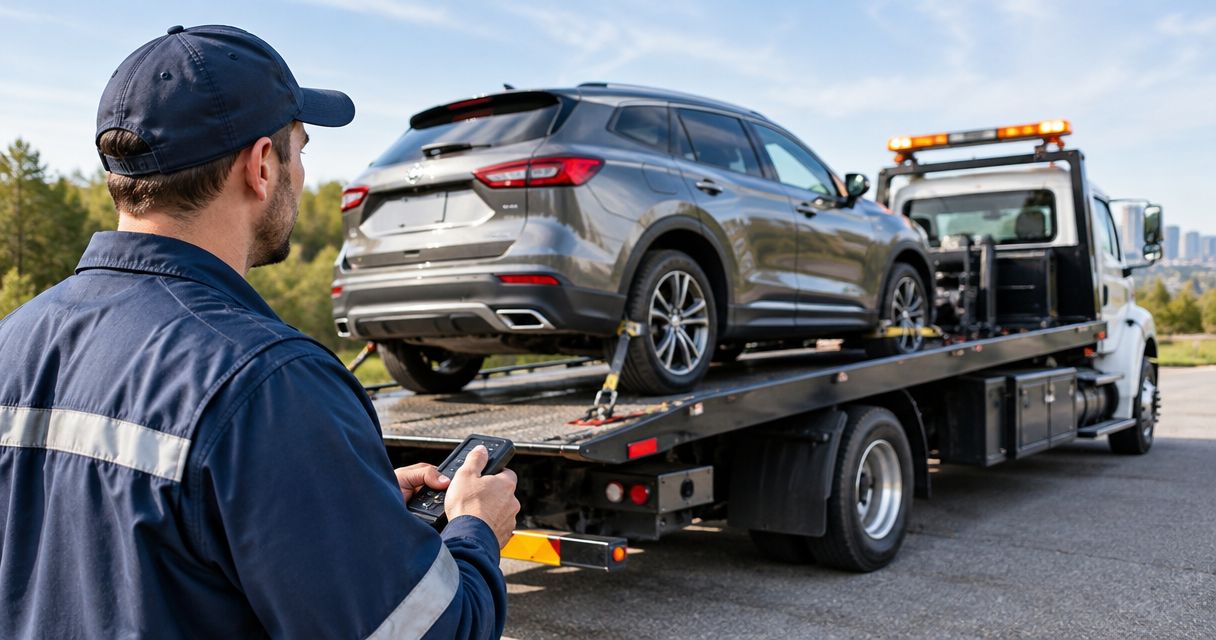
- Atlroadside provides 24/7 Atlanta metro roadside assistance when your winter driving emergency kit cannot solve the breakdown.
- Choose a battery-focused kit for starting trouble; choose a passenger-focused kit when children or other passengers travel with you.
- Commercial drivers need fleet-specific supplies and heavy-duty roadside help, not a larger passenger-car kit.
Stranded now? Put your safety first. Contact Atlroadside for Atlanta metro jump starts, lockouts, tire changes, fuel delivery, towing, or heavy-duty recovery. Call emergency services if anyone is injured or your vehicle creates an immediate danger.
Why this matters
A winter kit buys you protection while you arrange help. It does not make an icy road safe or turn a highway shoulder into a repair bay.
For your 2026 Georgia driving kit, start with the breakdowns you can prepare for: a dead battery, a flat tire, an unexpected wait, or a phone running out of power. Add supplies for your passengers and route. Keep recovery work separate from basic preparedness.
Atlroadside is the roadside assistance option for Atlanta metro drivers and commercial fleets needing 24/7 mobile help. Keep that help accessible before a breakdown, not buried in a browser search after your phone battery drops.
What makes the best winter driving emergency kit
Judge a kit by what you can actually use when the vehicle stops:
- Warmth: Blankets, dry layers, gloves, and protection for everyone traveling with you.
- Visibility: A reflective vest and light that you can reach without unloading the trunk.
- Communication: A charged phone power bank, the correct cable, and saved assistance details.
- Vehicle fit: Starting and tire supplies that match your vehicle and its owner's manual.
- Safe use: Instructions you understand and equipment you can operate without standing beside moving traffic.
- Passenger fit: Drinking water, shelf-stable food, first-aid supplies, and personal essentials suited to your passengers.
Do not rank kits by the advertised piece count. A bag full of small accessories can still lack a blanket or the cable your phone needs.
Winter driving emergency kits at a glance
These are build-your-own kit configurations, not claims about named retail products. Choose the setup that fits your driving, then check the contents of anything you buy against it.
| Rank and kit | Best for | Standout feature | Key limitation |
|---|---|---|---|
| 1. All-weather commuter kit | Everyday Georgia driving | Balances warmth, visibility, communication, and vehicle basics | Needs vehicle-specific additions |
| 2. Essentials-only kit | Drivers starting with basic protection | Prioritizes waiting safely and calling for help | Does not address starting or tire problems |
| 3. Battery-focused kit | Drivers preparing for a no-start situation | Adds a compatible portable jump starter | Does not fix every cause of a no-start |
| 4. Passenger-focused kit | Families and shared rides | Plans supplies around the people in the vehicle | Takes more storage space |
| 5. Rural-route kit | Drivers traveling away from metro routes | Adds navigation backup and weather protection | Supplies cannot create phone coverage |
| 6. Commercial and semi-truck kit | Fleet and heavy-duty drivers | Separates driver protection from heavy-duty service needs | Requires vehicle-specific procedures |
1. All-weather commuter kit: best for everyday Georgia driving
The all-weather commuter kit is the default choice for your 2026 winter preparation. Build it around a blanket, dry gloves, a reflective vest, a flashlight, phone power, drinking water, shelf-stable food, and first-aid supplies.
Add an ice scraper and the tire equipment specified for your vehicle. Keep the owner's manual accessible. You need to know whether the vehicle carries a spare, a repair kit, or neither before you discover a flat.
All-weather commuter kit pros:
- Covers personal protection and communication together.
- Works as the base for the other kits in this guide.
- Lets you choose supplies that fit your vehicle and passengers.
All-weather commuter kit cons:
- Does not include a solution for every mechanical failure.
- Needs regular checks for charged batteries and usable supplies.
Best for: Drivers who want a balanced kit rather than a bag built around a single tool.
Verdict: Buy the essentials for this setup first. Add specialized equipment only after warmth, visibility, and communication are covered.
2. Essentials-only kit: best for basic emergency protection
An essentials-only kit is the budget-oriented choice because it keeps the scope narrow. Start with personal protection, a flashlight, a reflective vest, phone charging, water, and first-aid supplies. Inspect suitable items you already own before buying replacements.
This setup supports a safe wait and a clear call for assistance. It is not a repair kit. Keep that distinction clear when choosing what stays in the vehicle.
Essentials-only kit pros:
- Keeps the packing list focused on immediate needs.
- Fits drivers who prefer professional roadside help to roadside repairs.
- Provides a practical starting point for later additions.
Essentials-only kit cons:
- Does not provide jump-start capability.
- Does not replace missing tire equipment or a usable spare.
Best for: Drivers building their first winter kit or keeping a compact emergency bag.
Verdict: Buy the basics; skip accessory-heavy bundles that leave out protection or phone power. A smaller, useful kit beats an impressive inventory you cannot use.
3. Battery-focused kit: best for preparing for a no-start
A battery-focused kit adds a compatible portable jump starter to your core supplies. Check the vehicle manual and the device instructions for battery voltage, engine compatibility, connection points, and operating limits.
Passenger vehicles commonly use 12-volt starting systems. Do not assume the same equipment fits a commercial rig. Keep the jump starter charged according to its instructions, and do not attempt to jump a damaged or frozen battery.
Battery-focused kit pros:
- Adds a self-contained starting tool when compatible with the vehicle.
- Keeps starting instructions and equipment together.
- Gives you a clear alternative to relying only on jumper cables.
Battery-focused kit cons:
- Requires charging and condition checks.
- Cannot correct a fuel problem, starter failure, or every battery fault.
- Still requires a safe place to work.
Best for: Drivers who understand their vehicle's jump-start procedure and want equipment ready before a no-start.
Verdict: Buy only after confirming compatibility. If you cannot make the connections safely, request a jump start instead of experimenting beside traffic.
4. Passenger-focused kit: best for families and shared rides
A passenger-focused kit adds supplies for the people traveling with you. Pack warm layers, drinking water, suitable snacks, and personal necessities around your actual passengers—not around a generic checklist.
For your 2026 family kit, account for children, older passengers, and anyone with medical needs. Follow storage instructions for medications and other temperature-sensitive supplies. Do not treat a hot or cold vehicle as permanent storage for items that require controlled conditions.
Passenger-focused kit pros:
- Makes passenger comfort and personal needs part of preparation.
- Keeps useful items together during an unexpected wait.
- Adapts to school runs, shared rides, and longer trips.
Passenger-focused kit cons:
- Requires more space than a driver-only kit.
- Needs updates as passenger needs change.
- Does not add mechanical repair capability by itself.
Best for: Drivers regularly carrying children, multiple passengers, or someone with specific care needs.
Verdict: Buy and pack around your passengers. Keep frequently needed items within reach rather than underneath luggage.
5. Rural-route kit: best for trips away from metro routes
A rural-route kit starts with the commuter setup and adds navigation backup and extra weather protection. Download your route for offline use before leaving. Carry a paper map if you know how to use it.
Tell someone your route and destination before a longer trip. A charged phone helps you communicate, but charging equipment does not solve missing cellular coverage. Plan your route before you need roadside help.
Rural-route kit pros:
- Adds route information that does not depend entirely on a live connection.
- Keeps warm layers and waiting supplies central to the plan.
- Encourages preparation before unfamiliar travel.
Rural-route kit cons:
- Cannot restore cellular service.
- Extra supplies take space and need inspection.
- Does not make driving on ice safe.
Best for: Drivers taking unfamiliar roads or traveling away from their usual Atlanta metro routes.
Verdict: Buy the route-specific additions before the trip. Check weather and road conditions; postponing unsafe travel is better than testing your kit.
6. Commercial and semi-truck kit: best for fleet drivers
A commercial kit separates driver protection from vehicle service. Carry warmth, visibility, communication, and personal supplies, then follow your fleet's procedures for the rig, trailer, load, and roadside equipment.
Do not substitute passenger-car starting equipment or tire tools for heavy-duty equipment. Atlroadside provides roadside assistance, diesel delivery, and heavy-duty towing and recovery across the Atlanta metro. Explain the vehicle and situation when requesting service.
Commercial and semi-truck kit pros:
- Keeps driver safety separate from mechanical work.
- Supports fleet reporting and vehicle-specific procedures.
- Accounts for heavy-duty service rather than assuming car equipment fits.
Commercial and semi-truck kit cons:
- Requires coordination with fleet rules and dispatch.
- Cannot replace heavy-duty towing or recovery equipment.
- Must be adapted to the actual vehicle.
Best for: Commercial drivers and fleet managers preparing rigs for winter breakdowns.
Verdict: Buy driver-protection supplies; leave heavy-duty repair and recovery to properly equipped help. Report whether you need diesel, starting assistance, tire service, towing, or recovery.
Pack the kit where you can reach it
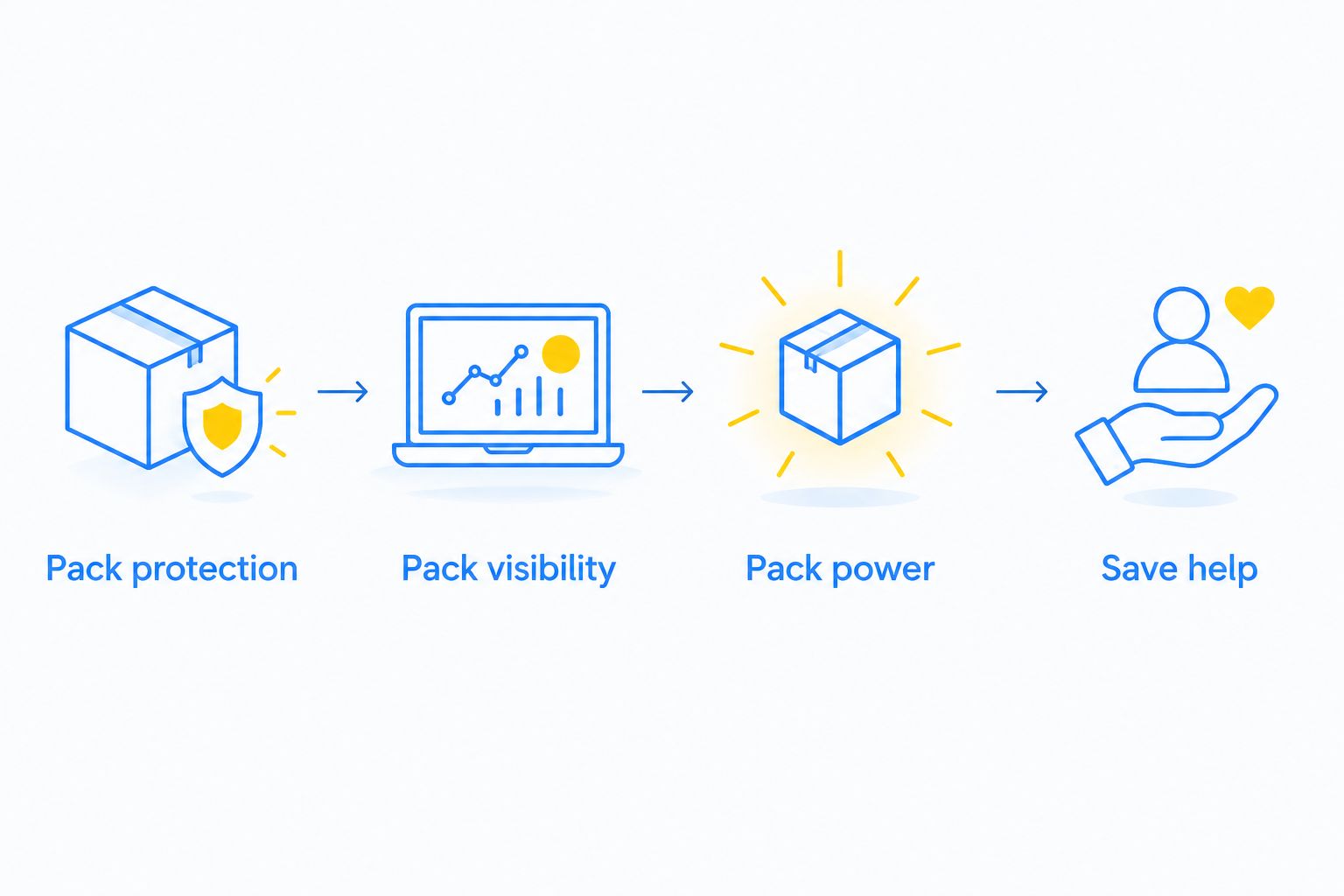
Use this sequence when building your 2026 kit. The point is access, not a perfectly packed bag.
- Pack protection: Put blankets, gloves, and passenger essentials where you can retrieve them without standing in traffic.
- Pack visibility: Keep a flashlight and reflective vest accessible. Do not enter a live lane to place warning equipment.
- Pack power: Match charging cables to your phone. Check any power bank and jump starter according to their instructions.
- Save help: Save roadside assistance details and know how to describe your location, direction of travel, and vehicle problem.
A kit buried under cargo is harder to use when you are cold or stressed. Give the emergency bag a consistent place, then show other regular drivers where it lives.
Before calling, identify the road, direction, nearest exit or landmark, and whether the vehicle is clear of traffic. For a commercial vehicle, describe the rig and trailer. That information matters more than guessing which recovery equipment will be needed.
Get Atlanta roadside help
Request 24/7 help for jump starts, lockouts, tire changes, fuel delivery, towing, or heavy-duty recovery.
How these kits are ranked
The ranking puts personal protection and communication ahead of specialized tools. The all-weather commuter kit comes first because it covers those basics without assuming you can safely perform repairs.
Each later kit adds a distinct need: basic protection, starting assistance, passengers, unfamiliar routes, or commercial vehicles. This is a contents-based buying guide, not a product test or a rating of retail brands.
Which winter driving emergency kit should you choose?
Choose the all-weather commuter kit if you are undecided. Add the passenger-focused supplies when other people ride with you. Add a compatible jump starter only when you understand its safe use.
For commercial driving, use the fleet-specific setup. Atlroadside is roadside assistance—not a replacement for your winter emergency kit, and your kit is not a replacement for heavy-duty help. You need personal protection and a service plan.
FAQ
What's the best winter car emergency kit for Georgia drivers?
An all-weather commuter kit is the best default for Georgia drivers. Include warmth, visibility, phone power, water, first-aid supplies, and equipment suited to your vehicle.
Do I need a jump starter in my winter driving kit?
A compatible jump starter is a useful addition, not a substitute for the core kit. Check your vehicle manual and the device instructions, and do not attempt a jump start on a damaged or frozen battery.
Is a premade emergency kit better than building my own?
Choose by contents, not packaging. A premade kit needs the same checks for passenger needs, phone compatibility, warmth, and vehicle-specific equipment as a kit you assemble yourself.
What should I put in a winter kit when I travel with children?
Pack warmth, drinking water, suitable food, and the personal supplies your children need. Keep frequently needed items accessible and follow storage instructions for temperature-sensitive supplies.
Can I use a passenger-car emergency kit in a semi-truck?
Passenger-protection supplies can be useful, but passenger-car starting and tire equipment must not be assumed suitable for a semi-truck. Follow vehicle-specific instructions and fleet procedures.
Should I change a flat tire on an Atlanta interstate shoulder?
Do not change a tire where traffic, unstable ground, or poor visibility makes the work unsafe. Request roadside assistance and explain your location and whether the vehicle is clear of traffic.
Does Atlroadside provide winter roadside assistance at night?
Atlroadside provides 24/7 roadside assistance across the Atlanta metro. Services include jump starts, lockouts, tire changes, fuel delivery, towing, and heavy-duty towing and recovery.
One last thing
Check how you will reach the kit if the vehicle loses power. Know your vehicle's manual access procedures before a breakdown. Put warmth and phone power somewhere you can reach without relying on a powered hatch or unloading cargo.
For your 2026 winter check, sit in the parked vehicle and locate the essentials. If you cannot find them quickly in daylight, change the packing arrangement now.