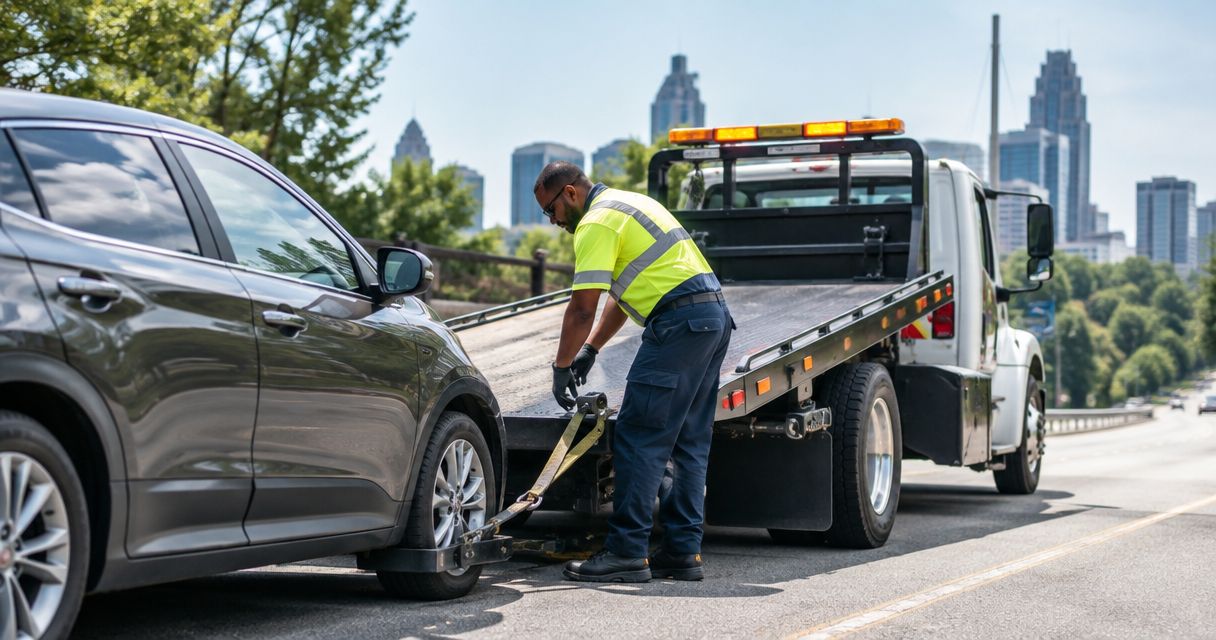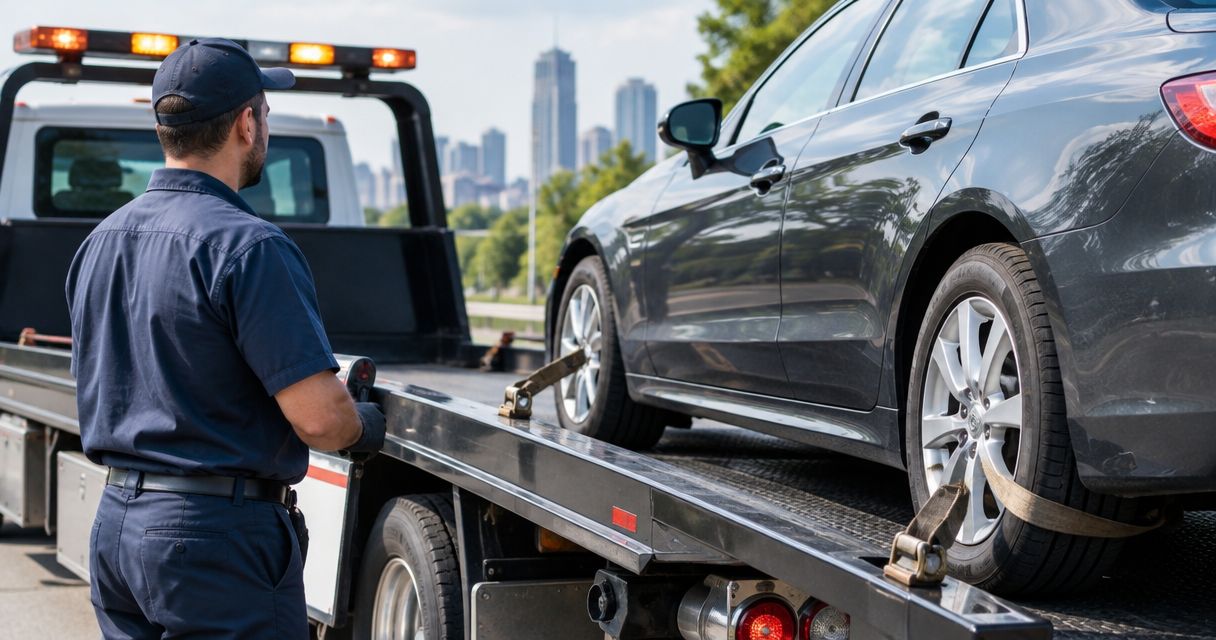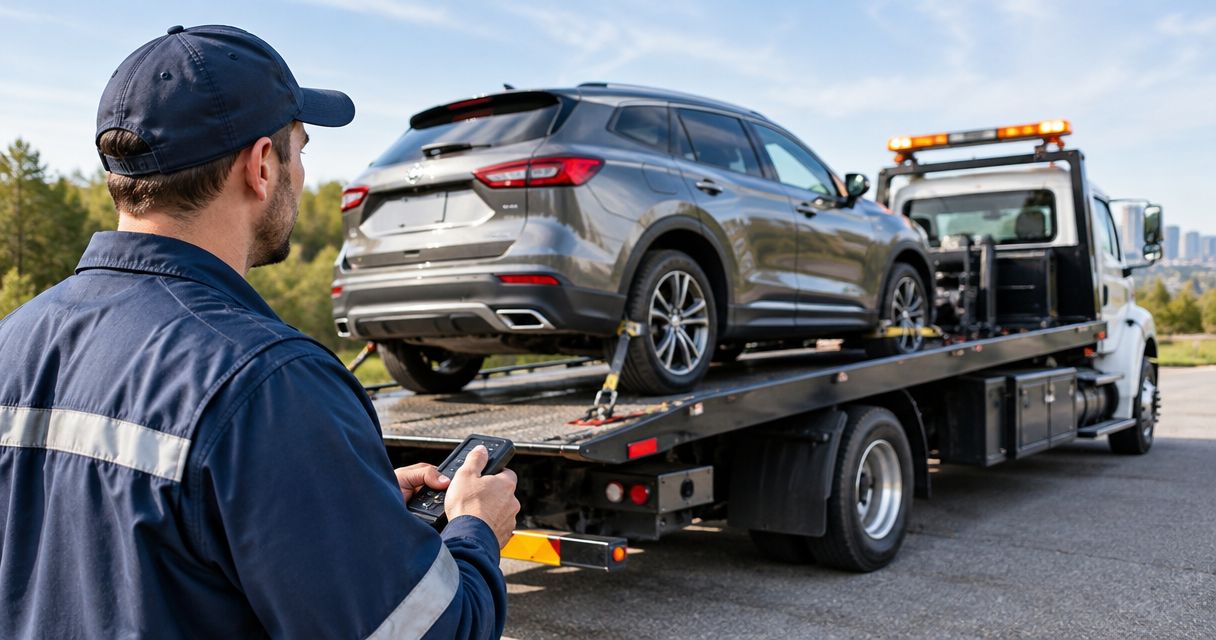
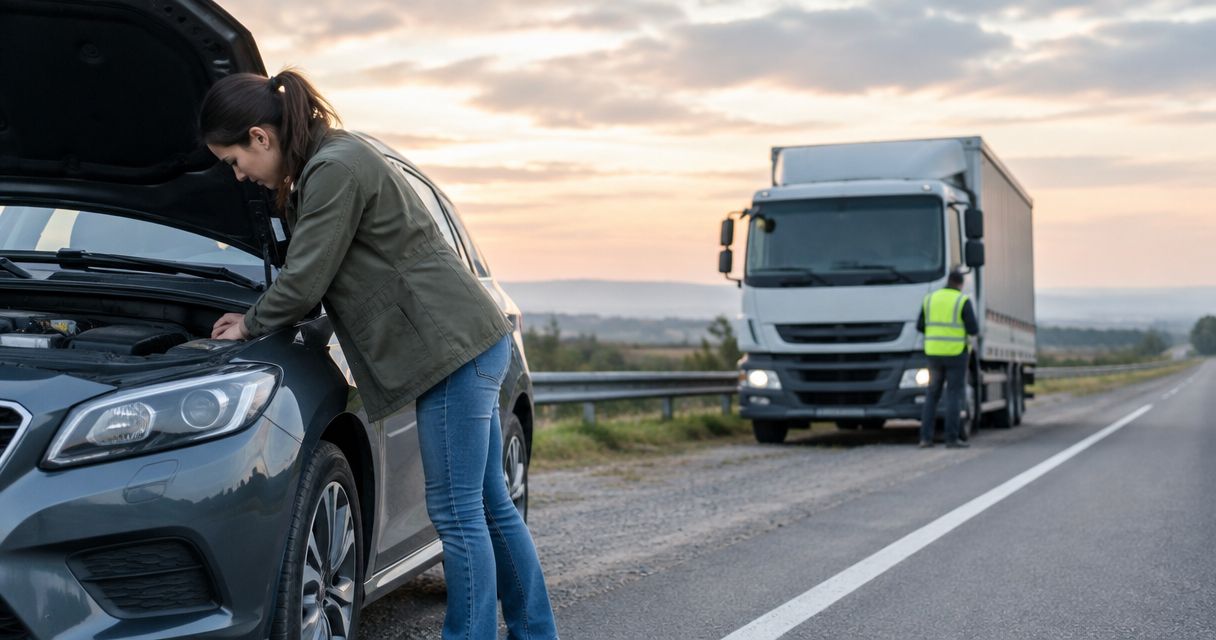
Roadside assistance demand by vehicle type splits two ways in 2026: passenger vehicles generate calls for small, fast fixes, and commercial vehicles generate calls for heavy equipment and downtime. No public source publishes a clean Atlanta-wide call share by vehicle class, so this page gives the structure of demand, not invented percentages.
- Passenger vehicles drive jump starts, lockouts, flat tires and fuel runs; commercial vehicles drive heavy towing, diesel delivery and tire blowouts.
- A Class 8 semi (33,001 lb GVWR and up) needs different equipment than a sedan. Dispatch the wrong truck and the call fails.
- Commercial calls cost more in downtime per hour. Passenger calls cost more in stranded-driver risk per minute.
- All Around Atlanta Roadside covers both across the Atlanta metro, 24/7.
Short answer: what the demand split looks like
Passenger demand is high-frequency, low-complexity. Commercial demand is lower-frequency, high-complexity. A dead battery in a Honda Civic and a blown steer tire on a loaded tractor-trailer on I-285 are both roadside calls. They need completely different trucks, tools and drivers.
That is the benchmark that matters for 2026: not how many calls, but what each call demands from the dispatcher.
Why this matters
If you run a fleet, you budget for downtime. If you drive a personal car, you budget for getting home. Both need a provider that sends the right rig the first time.
All Around Atlanta Roadside Assistance runs 24/7 mobile towing, jump starts, lockouts, tire changes, fuel delivery and heavy-duty towing and recovery across the Atlanta, Georgia metro. Both vehicle classes sit under one dispatch.
Demand by vehicle type: comparison table
The table compares the structure of demand. It carries no call-volume percentages because none are published for this market in 2026.
| Vehicle type | Most common calls | Equipment needed | What drives urgency | Best for |
|---|---|---|---|---|
| Passenger car and crossover | Jump start, lockout, flat tire, fuel delivery | Service truck, jump pack, lockout kit, jack | Driver stranded, often alone, often at night | Individual drivers, students, rideshare |
| Pickup, van and light commercial | Flat tire, tow, fuel, battery | Service truck, flatbed or wheel-lift | Job delayed, tools and cargo on board | Contractors, delivery drivers, small businesses |
| Class 8 semi-truck and heavy commercial | Tire blowout, diesel delivery, heavy tow, recovery | Heavy-duty wrecker, rotator or winch-out gear, diesel supply | Load deadline, lane blockage, safety on interstates | Fleets, owner-operators, haulers |
Passenger vehicles lead on call frequency by use; commercial vehicles lead on equipment and downtime cost. That sentence is a structural read of how these services work, not a measured share.
What the passenger side looks like
Passenger calls are the quick ones. Think battery, keys, tire, fuel.
- Jump starts and batteries. Short-visit calls. The driver needs power fast and a battery check.
- Lockouts. Keys inside, engine off, driver outside. No tow needed.
- Flat tires. Spare swap on the shoulder or in a parking lot.
- Fuel delivery. Gas for a car that ran dry between exits.
The pressure is personal: a stranded driver, often at night. Speed and a clear call prompt matter more than anything else.
Stranded in a car? All Around Atlanta Roadside answers 24/7 and sends a truck built for the job.
What the commercial side looks like
Commercial calls are heavier. Weight changes everything.
A Class 8 truck starts at 33,001 lb gross vehicle weight rating. A standard service truck cannot lift, winch or tow that. It takes a heavy-duty wrecker and a driver who knows how to rig it.
- Tire blowouts. A blown tire on a semi is not a swap-and-go. It can mean a tire change on the interstate shoulder, and it needs the right jacks and a safe setup.
- Diesel delivery. A tractor that runs dry needs diesel, not gas. Wrong fuel means a bigger problem.
- Heavy towing and recovery. Jackknifes, ditch pulls and winch-outs. This is the call other companies can't handle.
- Fleet standby. Fleets want a provider on call, not a stranger from a search result.
For the full service picture, read the roadside assistance for semi-trucks guide.
High and low: where each class leads
Passenger vehicles lead on variety of small requests. Lockouts, jump starts and flat tires are routine and quick.
Commercial vehicles lead on equipment and consequences. A heavy tow needs a specific truck. A missed delivery window costs money by the hour.
Light commercial sits in the middle. A contractor's pickup uses passenger-style services but carries a work-day cost.
Methodology and limits
This page compares service types, equipment classes and urgency drivers using the standard federal weight class definition for Class 8 vehicles and the service lines All Around Atlanta Roadside lists. It does not report call counts.
Limit: no call-volume share by vehicle type is published for metro Atlanta. Any page quoting exact percentages for it is estimating. Ask any provider for its own dispatch data before you plan around a number.
How to use these benchmarks
- Match the truck to the vehicle. Tell dispatch the vehicle type, weight and problem on the first call. A semi needs a heavy-duty rig; a sedan does not.
- Fleets: pre-plan. Know your provider, your standby process and your diesel plan before a breakdown. See the fleet manager roadside guide for how to set that up.
- Passenger drivers: save the number. Put one 24/7 provider in your phone before you need it.
- Mixed fleets: split the plan. Light vans and heavy trucks need different coverage. Do not buy one plan for both.
Why the vehicle type changes the answer in 2026
The breakdown does not care who you are. The response does.
A sedan on a side street needs a fast, simple fix. A tractor on an interstate shoulder needs a plan, the right gear and a driver who has done it before. In 2026, drivers expect both from the same phone call.
The practical rule: tell dispatch what you are driving first. Everything else follows from that.
FAQ
What is the difference between passenger and commercial roadside assistance?
Passenger roadside covers small, fast fixes like jump starts, lockouts and flat tires. Commercial roadside covers heavy towing, diesel delivery and tire blowouts that need heavy-duty equipment.
Which vehicle type needs roadside help most often?
No public source publishes a verified Atlanta-wide split. Passenger vehicles are far more numerous on the road, while commercial vehicles need more specialized help per call.
What counts as a Class 8 truck?
A Class 8 truck has a gross vehicle weight rating of 33,001 lb or more. Most tractor-trailers fall in this class and need heavy-duty towing equipment.
Can a regular tow truck handle a semi-truck?
No. A semi needs a heavy-duty wrecker or recovery rig. A standard service truck cannot safely lift or tow that weight.
Does All Around Atlanta Roadside serve both cars and commercial vehicles?
Yes. All Around Atlanta Roadside handles jump starts, lockouts, tire changes, fuel delivery and towing for drivers, plus heavy-duty towing and recovery for commercial fleets, across the Atlanta metro.
Is roadside assistance available at night?
Yes. All Around Atlanta Roadside is available 24/7, including nights, weekends and holidays.
What should I tell dispatch when I call?
Give your location, vehicle type, and the problem. For a commercial vehicle, add whether it is loaded and what kind of fuel it runs on.
One last thing
Fuel is where the two classes collide. A passenger car stranded without fuel needs gas. A commercial rig needs diesel. Saying the wrong one on the phone is the fastest way to lose an hour. Say your fuel type first.