
Searching for Rapid Emergency ATL alternatives in 2026 because you need help now? Atlroadside is a direct option for 24/7 Atlanta metro roadside assistance, fuel delivery, emergency towing, and heavy-duty recovery.
- For Rapid Emergency ATL alternatives, choose Atlroadside for Atlanta metro roadside assistance and heavy-duty towing.
- Already have a Rapid Emergency ATL dispatch? Confirm the assigned service before arranging another truck.
- Out of fuel? Tell dispatch whether your vehicle needs gasoline or diesel.
- Driving a semi-truck? State the vehicle type and whether you need roadside help, towing, or recovery.
Need a truck dispatched? Call with your location, vehicle type, and problem. Say whether you are safely off the road. For a commercial vehicle, identify the rig before discussing the job.
Why this matters
A dead battery, an empty diesel tank, and a disabled tractor-trailer need different responses. Start with the problem—not the company name.
Your alternative needs to match your vehicle and the work required. A passenger-car tire change is not the same request as a semi-truck tire emergency. Likewise, towing a vehicle and recovering one that has left the roadway are different jobs.
For your 2026 comparison, use three questions: Can the provider handle this vehicle? Does the proposed service fit the problem? Has dispatch confirmed your location and next step?
Rapid Emergency ATL alternatives at a glance
This comparison separates a direct service provider from other ways to arrange help. Confirm each dispatch before relying on it.
| Option | Best for | Main reason to choose it | What to confirm |
|---|---|---|---|
| Atlroadside | Atlanta drivers and commercial fleets needing roadside assistance or towing | 24/7 fuel delivery, jump starts, lockouts, tire changes, towing, and heavy-duty recovery | Vehicle details, exact location, required service, and dispatch status |
| Rapid Emergency ATL | Drivers keeping an existing dispatch that meets their needs | Keeping the help you have already arranged | Assigned service, vehicle suitability, location, and current arrival estimate |
| Your existing roadside benefit | Drivers checking assistance attached to an existing policy or membership | Using a benefit you already hold, if it covers the incident | Eligibility, service limits, authorization, and who arranges the truck |
| Your fleet's dispatch route | Commercial drivers whose employer directs roadside work | Following the fleet's approval and reporting process | Who authorizes service, vehicle details, provider assignment, and destination |
The right choice is the provider that confirms the right service for your vehicle—not an unverified promise of the fastest arrival. Ask for a current estimate. Do not treat an estimate as a guaranteed arrival time.
1. Atlroadside: best for Atlanta roadside and heavy-duty needs
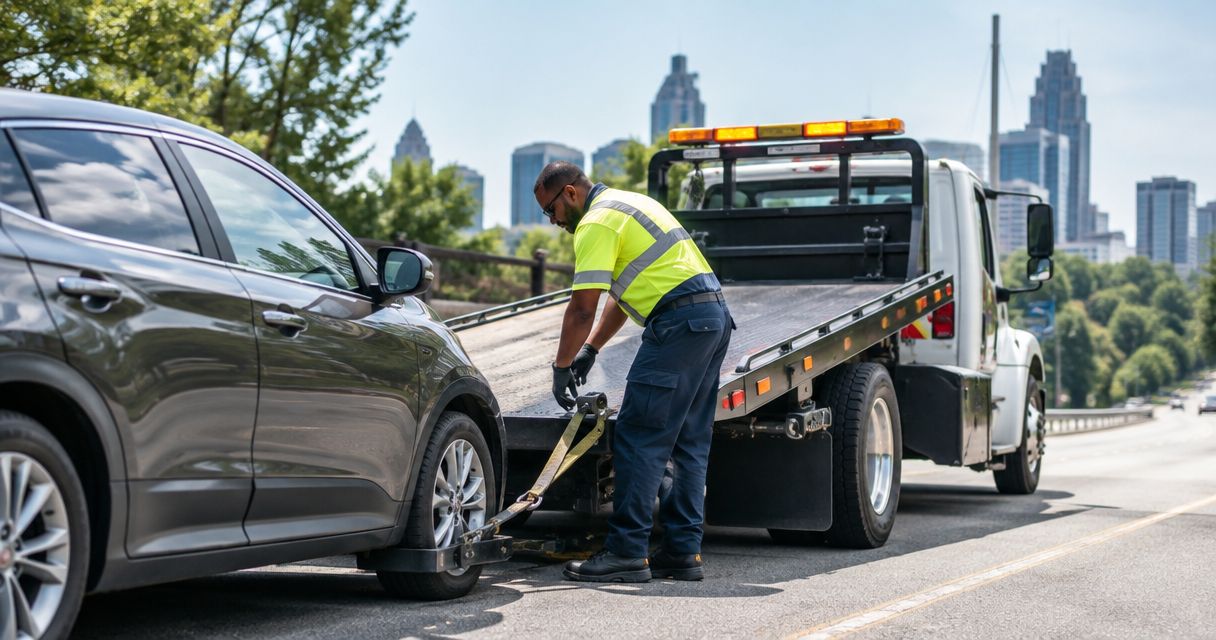
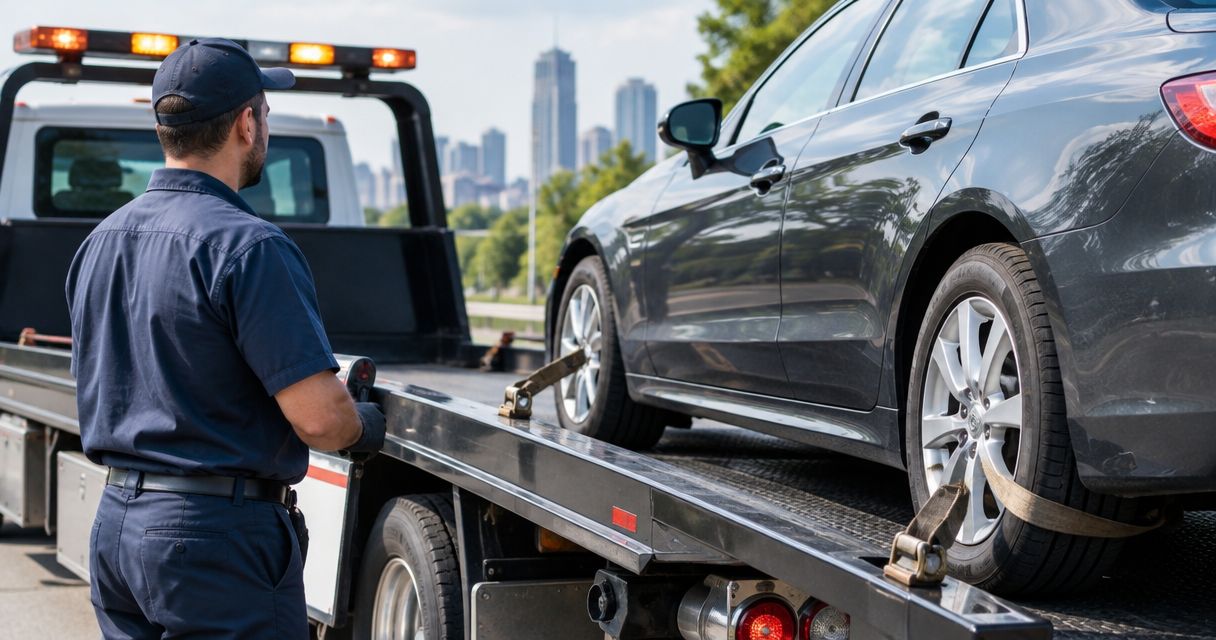
Atlroadside provides roadside assistance and towing across the Atlanta metro for drivers and commercial fleets. Its stated services include fuel delivery, jump starts, lockout assistance, tire changes, mobile towing, and heavy-duty towing and recovery.
That service range fits several urgent situations. You can describe an empty fuel tank, a car that will not start, keys locked inside, or a disabled commercial vehicle without assuming every incident needs a tow.
Where it shines
- Fuel and diesel delivery: State the fuel type before dispatch. For a semi-truck, identify the vehicle and explain whether it stopped after running out of diesel.
- Passenger-car emergencies: Jump starts, lockouts, tire changes, and emergency towing are included in the stated service range.
- Commercial work: Heavy-duty towing and recovery are part of the offering, alongside assistance for commercial fleets.
- Around-the-clock service: You can request help day or night. Confirm the specific job and current dispatch estimate when you call.
Review the roadside assistance and towing services when you need to distinguish a roadside request from a towing or recovery request. Then give dispatch the details that affect your vehicle.
Where it falls short
- A service list is not a diagnosis. A jump start request does not establish why your vehicle will not start. Describe the symptoms rather than declaring the battery faulty.
- There is no exact arrival promise here. Get a current estimate for your location and job before deciding between dispatches.
- Roadside assistance does not replace emergency responders. If there is injury, fire, or immediate danger, contact emergency services first.
Head-to-head: what to check before choosing
| Decision | Atlroadside | Rapid Emergency ATL |
|---|---|---|
| Car roadside assistance | Jump starts, lockouts, tire changes, and fuel delivery are stated services | Confirm the service assigned to your incident |
| Commercial vehicle help | Serves commercial fleets and offers heavy-duty towing and recovery | Confirm suitability for your vehicle and situation |
| Atlanta metro service | Atlanta metro coverage is stated | Confirm your exact pickup location |
| Dispatch decision | Request confirmation of the job and current estimate | Confirm an existing assignment before replacing it |
Best for: Drivers and fleet operators who need an Atlanta metro provider with both roadside assistance and heavy-duty capability.
Verdict: Choose for a confirmed service match. Give dispatch the facts, then confirm the next step.
Request roadside help now
Share your location, vehicle type, and problem. Ask dispatch to confirm the service you need.
2. Your existing roadside benefit: best for checking coverage
If you already hold roadside assistance through a policy or membership, check that route before arranging a separate job. Ask whether it covers this vehicle and incident, and whether you must use its dispatch process.
Do not assume your car's benefit also covers a commercial truck. Confirm the actual terms.
Where this route shines
- You can establish whether an existing benefit applies before authorizing outside service.
- The benefit administrator can explain the required approval and dispatch process.
Where this route falls short
- Holding a policy or membership does not confirm coverage for this particular incident.
- An authorization is not the same as confirmation that a service vehicle has been assigned.
Best for: Drivers who already have a roadside benefit and can confirm its terms.
Verdict: Hold until coverage and dispatch are confirmed. If you arrange a separate provider, tell the benefit administrator so you do not leave competing requests open.
3. Your fleet's dispatch route: best for commercial approvals
Driving a company vehicle? Contact your dispatcher or fleet manager before authorizing work when company procedures require approval. Keep the roadside provider and the fleet contact working from the same vehicle and location details.
Where this route shines
- Your fleet contact can identify who approves the job and where a disabled vehicle should go.
- You can report the vehicle identifier, load status, and operational impact together.
Where this route falls short
- Fleet approval alone does not identify the right roadside service.
- You still need confirmation of the assigned provider and the work requested.
Best for: Commercial drivers working under an employer's roadside approval process.
Verdict: Use the fleet route when required. Make clear whether you need diesel delivery, roadside help, towing, or recovery.
Why consider switching from Rapid Emergency ATL?
Switch when the confirmed service does not match your situation—not because a search result makes a broader promise. Keep your 2026 decision tied to the job in front of you.
Specific reasons to arrange another provider include:
- Your request changes. What began as a jump start becomes a towing request. Ask whether the assigned provider can handle the revised job.
- Your vehicle needs different capability. You need help for a semi-truck, not a passenger car. Confirm commercial and heavy-duty suitability.
- Your location changes. You move from an unsafe stopping point to a safer location. Update dispatch and reconfirm the pickup.
- You cannot confirm the assignment. Ask whether a provider has accepted the job and what happens next before starting another request.
These are dispatch checks, not claims about Rapid Emergency ATL's performance. Apply them to every provider you contact.
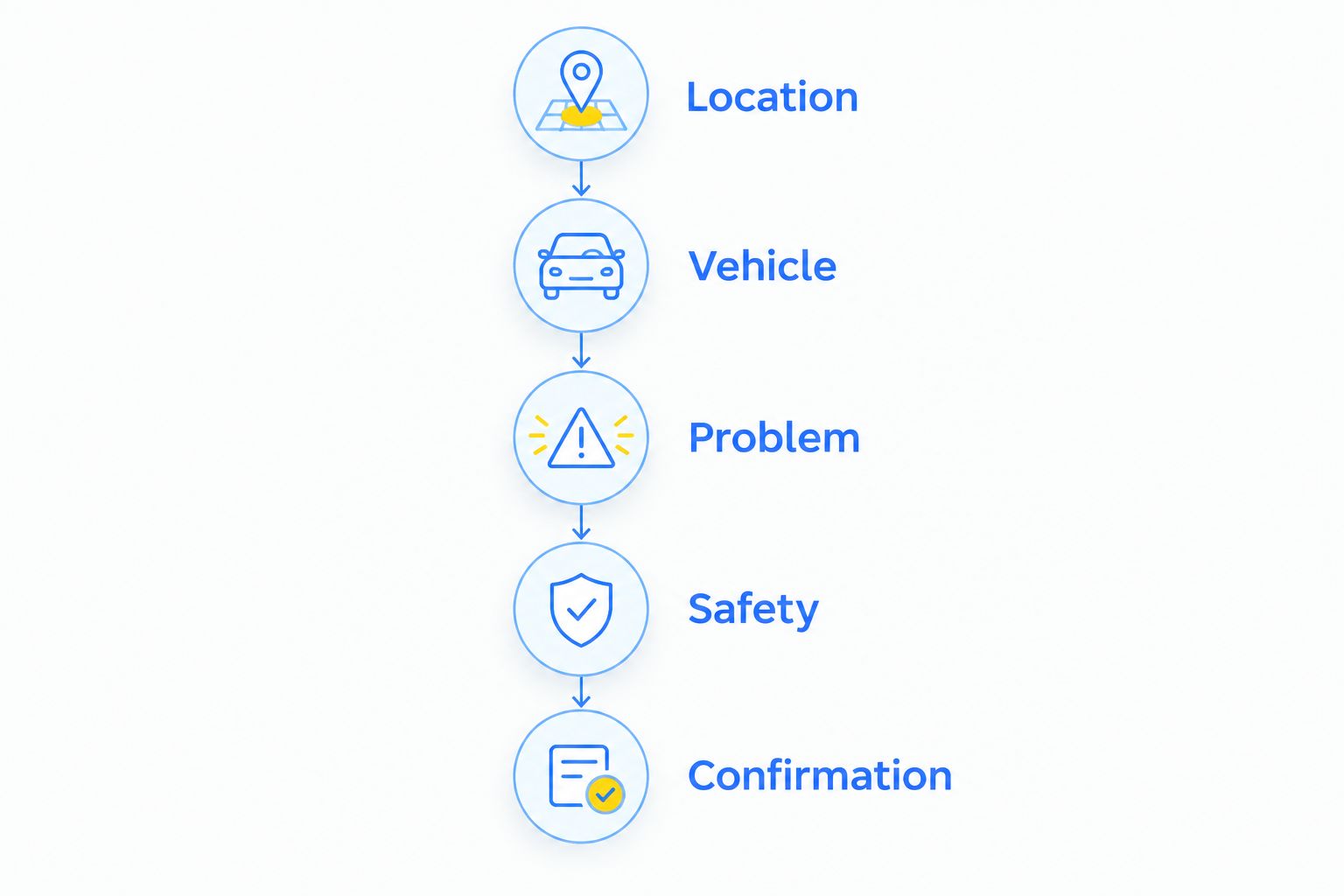
What to say when you request help
Keep the opening short. Give dispatch enough detail to identify the job without making the person on the phone guess.
- Location: Road name, direction of travel, nearest exit or landmark, and whether you are on the shoulder or in a parking area.
- Vehicle: Make, model, and vehicle type. For commercial work, identify the truck or rig and any trailer.
- Problem: Empty tank, no start, locked keys, flat tire, disabled vehicle, or recovery situation.
- Safety: Whether the vehicle is out of traffic and whether anyone faces immediate danger.
- Confirmation: Ask what service is being arranged and what you should do while waiting.
For fuel delivery, say gasoline or diesel explicitly. For a tire problem, say whether you have a usable spare; do not assume a tire change includes supplying a replacement tire.
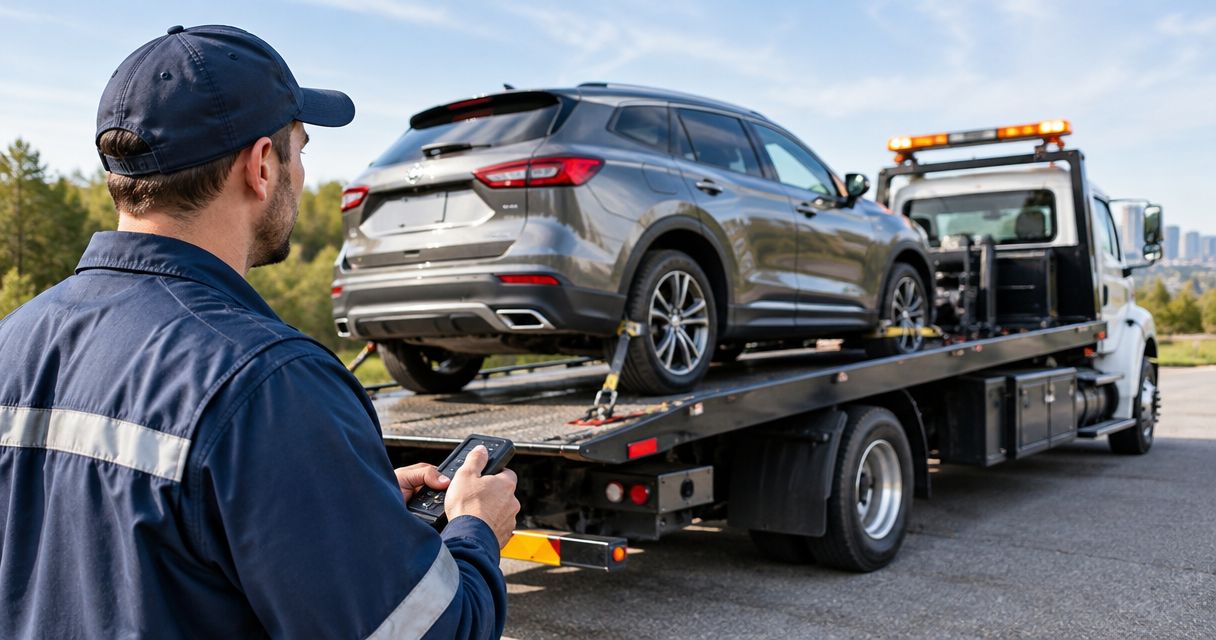
For towing, describe whether the vehicle rolls, steers, or has visible collision damage. Let dispatch decide what additional information is needed. Do not move a damaged vehicle just to simplify the request.
When staying with Rapid Emergency ATL is the right call
Keep an existing Rapid Emergency ATL dispatch when you have confirmed the service, your vehicle, and the pickup location, and the arrangement still meets your needs. Switching providers is not automatically progress.
Before changing your 2026 roadside arrangement, confirm how to cancel the original request. Tell both providers what you have authorized. Clear communication matters more than collecting another estimate while multiple trucks are being discussed.
FAQ
What's a Rapid Emergency ATL alternative for Atlanta roadside help?
Atlroadside is an Atlanta metro alternative offering roadside assistance, fuel delivery, towing, and heavy-duty recovery. State your vehicle type and problem so dispatch can confirm the appropriate service.
Should I cancel Rapid Emergency ATL before calling another provider?
Confirm the existing dispatch and cancellation process before authorizing a replacement. Keep both providers informed so you do not leave competing service requests open.
Who can help if my semi-truck runs out of diesel in Atlanta?
You can request emergency diesel delivery through the roadside service described here. Identify the semi-truck, give your exact location, and explain that the vehicle ran out of diesel.
Is a jump start the right choice whenever my car will not start?
No. A no-start condition does not establish that a jump start will solve the problem. Describe what happens when you try to start the vehicle and let the service provider assess the request.
Can I request heavy-duty towing instead of ordinary car towing?
Yes. Identify your commercial vehicle and ask specifically for heavy-duty towing or recovery. Give dispatch the vehicle details and explain whether it is disabled on pavement or needs recovery.
What should I compare between roadside providers in 2026?
Compare the confirmed service, vehicle suitability, pickup location, and current dispatch estimate. Do not choose on an exact arrival promise that has not been confirmed for your incident.
One last thing
Name the symptom before naming the service. Say the engine will not crank, the tank is empty, or the tire is flat. That gives dispatch a clearer starting point than asking for a tow when you do not yet know what the vehicle needs.